Gluten-free cookies come in more varieties than many people expect. You can find familiar favorites such as gluten-free chocolate chip cookies, sugar cookies, oatmeal cookies, peanut butter cookies, sandwich cookies, and seasonal treats. Some are made at home with gluten-free flour, while others are available as convenient packaged snacks at grocery stores and online retailers.
The right gluten-free cookie depends on what you want from it. Taste and texture matter if you want a soft, chewy, crispy, or buttery cookie. Ingredients matter when you need to avoid gluten or other allergens. Dietary needs may also call for vegan, dairy-free, egg-free, or nut-free options. If you enjoy baking, homemade cookies offer more control. If convenience matters, store-bought gluten-free cookies can be an easy choice.
What Are Gluten-Free Cookies?
Gluten-free cookies are cookies made without ingredients that contain gluten. Gluten is a group of proteins naturally found in wheat, barley, and rye, as well as certain grains related to them. Because traditional cookies often use wheat flour, gluten-free versions usually rely on alternatives such as rice flour, almond flour, oat flour, or a gluten-free flour blend. Some recipes also use naturally gluten-free ingredients such as eggs, butter, sugar, nuts, or chocolate. However, an ingredient being naturally gluten-free does not by itself guarantee that the finished cookie is free from gluten cross-contact.
What Makes a Cookie Gluten-Free?
A gluten-free cookie must be made and labeled according to applicable gluten-free requirements. In the U.S., the FDA says a food labeled “gluten-free” must contain less than 20 parts per million (ppm) of gluten and cannot contain prohibited gluten-containing ingredients such as wheat, rye, or barley.
This means choosing a gluten-free flour is only one part of the process. Ingredients, manufacturing, and potential cross-contact with gluten can also matter.
Gluten-Free vs. Wheat-Free
Wheat-free and gluten-free do not always mean the same thing. A wheat-free cookie may still contain another source of gluten, such as barley or rye. A gluten-free cookie, on the other hand, must meet the requirements for a gluten-free claim.
Are Gluten-Free Cookies Safe for Everyone?
Not necessarily. People with celiac disease, gluten sensitivity, or other dietary concerns may need to pay close attention to ingredients and labeling. For packaged cookies, look for a clear gluten-free claim and check the ingredient information. The FDA notes that gluten-free is a voluntary labeling claim, but products using the claim must meet its regulatory requirements.
In short: gluten-free cookies can be made with many different flours and ingredients, but the label, ingredients, and risk of gluten cross-contact all matter.
Popular Types of Gluten-Free Cookies
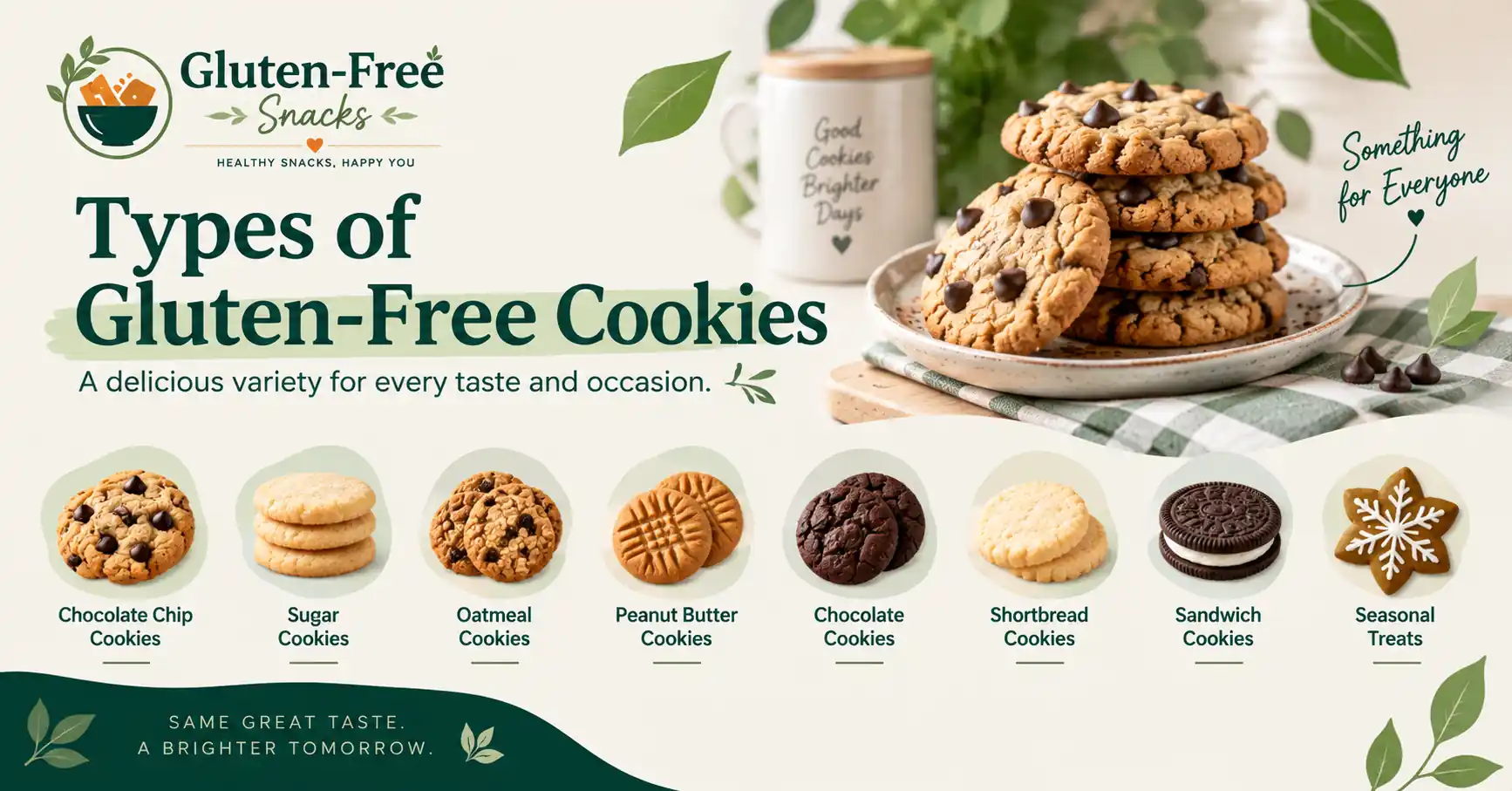
One of the best things about gluten-free cookies is the variety available. Whether you prefer chocolate, fruit, nuts, or simple buttery flavors, there is a gluten-free option to suit different tastes and dietary needs.
Gluten-Free Chocolate Chip Cookies
Gluten-free chocolate chip cookies are a classic favorite made with gluten-free flour and chocolate chips. They can be soft and chewy or crisp around the edges.
Gluten-Free Sugar Cookies
Gluten-free sugar cookies are simple, lightly sweet, and easy to decorate. They are especially popular for holidays and special occasions.
Gluten-Free Oatmeal Cookies
Gluten-free oatmeal cookies can include raisins, chocolate chips, nuts, or spices. Use oats specifically labeled gluten-free when needed.
Gluten-Free Peanut Butter Cookies
These have a rich peanut flavor and can be soft, chewy, or slightly crisp. They are a popular choice for nut-friendly diets only when peanuts are suitable.
Gluten-Free Chocolate Cookies
Made with cocoa or melted chocolate, these offer a deeper chocolate flavor and can range from soft to fudgy.
Gluten-Free Shortbread Cookies
Buttery and crisp with a simple ingredient profile, gluten-free shortbread cookies are a good choice for a delicate snack.
Gluten-Free Sandwich Cookies
These pair two cookies with a creamy or chocolate filling. They can be a convenient packaged gluten-free snack or a homemade treat.
Gluten-Free Snickerdoodles and Gingerbread Cookies
Snickerdoodles have a sweet cinnamon coating, while gluten-free gingerbread cookies bring warm spices and are especially popular during the holiday season.
Simple Gluten-Free Cookie Recipes
Making simple gluten-free cookies at home does not have to be complicated. With the right gluten-free flour or a few naturally gluten-free ingredients, you can make familiar favorites with less effort. The best recipe depends on the flavor, texture, and dietary needs you want.
Easy Gluten-Free Chocolate Chip Cookies
A basic chocolate chip cookie can be made with a gluten-free flour blend, butter or another suitable fat, sugar, egg, vanilla, and chocolate chips. For softer cookies, avoid overbaking and let them cool before serving.
Simple Peanut Butter Cookies
Peanut butter, sugar, and an egg can create a quick cookie with a rich, nutty flavor. Always check the ingredients if you need to avoid other allergens.
Easy Sugar Cookies
Gluten-free sugar cookies are a simple choice for everyday snacks or decorating. A gluten-free flour blend can replace regular wheat flour, while vanilla adds extra flavor.
No-Bake Gluten-Free Cookies
No-bake cookies are useful when you want a quick treat without turning on the oven. Common versions use ingredients such as gluten-free oats, nut or seed butter, cocoa, and a sweetener.
Four-Ingredient Cookie Ideas
Some easy gluten-free cookies with four ingredients can be built around simple combinations such as:
- Peanut butter, egg, sugar, and vanilla
- Banana, gluten-free oats, nut or seed butter, and chocolate chips
- Almond flour, sweetener, butter, and vanilla extract
Recipes vary in ingredients and dietary suitability, so always check labels when avoiding gluten, dairy, eggs, nuts, or other allergens.
What Ingredients Are Used in Gluten-Free Cookies?
The ingredients in gluten-free cookies vary by recipe, but the main goal is to replace wheat flour while keeping a good taste and texture.
Gluten-Free Flour Blends
A gluten-free flour blend may combine rice flour, sorghum flour, tapioca starch, potato starch, and other flours or starches. Blends can help create a texture closer to traditional cookies.
Almond Flour and Other Nut Flours
Almond flour adds a mild nutty flavor and can help make cookies tender. Other nut flours can also be used, depending on the recipe and dietary needs.
Oat Flour and Gluten-Free Oats
Oat flour works well in many cookie recipes. When gluten avoidance is important, choose oats labeled gluten-free.
Binders Such as Xanthan Gum
Xanthan gum can help provide structure in gluten-free dough by replacing some of the binding role that gluten provides.
Common Cookie Ingredients
Depending on the recipe, cookies may also contain butter, eggs, sugar, vanilla, chocolate, baking soda, and baking powder.
Soft, Chewy or Crispy? Choosing the Right Gluten-Free Cookie Texture
Texture can make a big difference when choosing gluten-free cookies. Some people prefer soft and tender cookies, while others enjoy a crisp bite.
Soft Gluten-Free Cookies
These usually have more moisture and are baked just until set, helping them stay tender.
Chewy Gluten-Free Cookies
A chewy cookie often depends on the flour blend, moisture, sugar, and baking time. Properly chilled dough can also affect the final texture.
Crispy and Crunchy Gluten-Free Cookies
Cookies with less moisture or a longer bake can develop crisp edges and a crunchy texture. Shortbread and some packaged cookies are good examples.
What Affects Cookie Texture?
Several factors can change the result, including flour type, starches, moisture, binders, chilling time, and baking temperature. Even small ingredient changes can make a gluten-free cookie softer, chewier, or more crisp.
Gluten-Free Cookies for Different Dietary Needs
A gluten-free cookie is not automatically vegan, dairy-free, low-sugar, or allergy-safe. People with different dietary needs should check the full ingredient list and product label before choosing a cookie. A recipe or packaged snack may be gluten-free while still containing milk, eggs, peanuts, or other allergens.
Gluten-Free and Dairy-Free Cookies
These cookies avoid milk, butter, and other dairy ingredients. Recipes may use plant-based butter, coconut oil, or other suitable alternatives.
Gluten-Free Vegan Cookies
Gluten-free vegan cookies avoid both gluten and animal-derived ingredients. They typically use plant-based fats and egg alternatives, but ingredients vary by recipe.
Gluten-Free Egg-Free Cookies
Egg-free recipes may use ingredients such as applesauce, mashed banana, or commercial egg replacers to provide moisture and binding.
Gluten-Free Nut-Free Cookies
For nut-free cookies, avoid almond flour and other tree nut ingredients. Seed-based ingredients or suitable gluten-free flour blends may be used instead.
Gluten-Free Low-Sugar Options
A gluten-free cookie can still contain a significant amount of sugar. If you want a low-sugar option, compare nutrition labels and serving sizes rather than relying on the gluten-free claim alone.
Allergy-Friendly Gluten-Free Cookies
Allergy-friendly gluten-free cookies require extra label checking. Look for clear allergen information and consider possible cross-contact during manufacturing, especially when a serious allergy is involved.
Are Gluten-Free Cookies Healthy?
Gluten-free does not automatically mean healthy. A gluten-free cookie can still contain added sugar, saturated fat, and a significant number of calories. Its nutritional value depends on the ingredients, portion size, and overall recipe.
What to Check on the Nutrition Label
When choosing gluten-free cookies, look at the serving size and compare:
- Added sugar
- Saturated fat
- Calories
- Fiber
- Protein
- Ingredient quality
Gluten-Free Does Not Mean Low-Sugar
Removing gluten does not remove sugar. Some gluten-free cookies may contain as much sugar as, or more sugar than, conventional cookies. Check the nutrition facts rather than assuming a gluten-free claim means lower sugar.
Simple Ingredients vs. Nutrition
A short ingredient list can be helpful, but it does not tell the whole story. A cookie made with familiar ingredients may still be high in sugar or saturated fat. The best choice depends on your dietary needs, preferences, and the serving size.
How to Choose the Best Gluten-Free Cookies
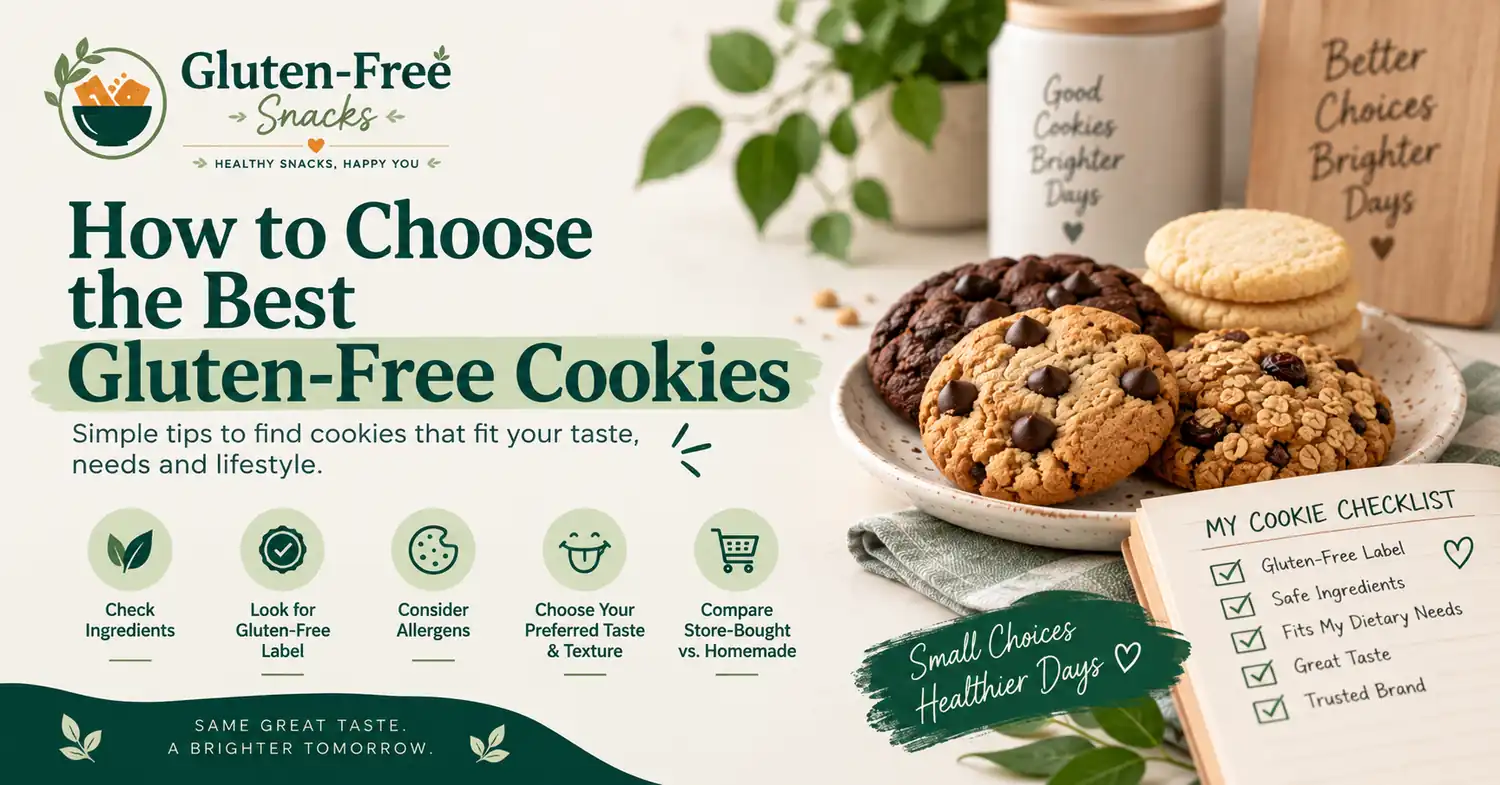
Choosing the best gluten-free cookies starts with more than flavor. Check the product carefully to find an option that fits your needs.
Check the Ingredient List
Look for gluten-free ingredients and check for anything you need to avoid, such as dairy, eggs, peanuts, or tree nuts.
Look for a Clear Gluten-Free Label
A clear gluten-free label can make packaged cookies easier to evaluate. If avoiding gluten is medically important, also consider the product’s allergen and cross-contact information.
Consider Your Dietary Needs
A cookie may be gluten-free but not vegan, dairy-free, egg-free, nut-free, or low-sugar. Choose according to your specific requirements.
Choose the Texture You Prefer
Decide whether you want soft, chewy, crispy, crunchy, or buttery gluten-free cookies.
Compare Flavor and Ingredients
Compare flavors, ingredients, nutrition information, and serving sizes before buying.
Consider Homemade vs. Packaged Cookies
Homemade cookies give you more control over ingredients and flavor. Packaged gluten-free cookies offer convenience and consistent portions. The better choice depends on whether you value customization or ease.
Store-Bought Gluten-Free Cookies
Store-bought gluten-free cookies are a convenient option when you want a ready-to-eat snack without baking at home. You can find packaged cookies in many grocery stores, specialty food stores, and online shops. Options range from simple sugar cookies and chocolate chip cookies to sandwich cookies, oatmeal cookies, and other flavors.
What to Look for in Store-Bought Cookies
Before buying, check the ingredient list, gluten-free labeling, allergen information, nutrition facts, serving size, and package size. Prices can also vary based on the brand, ingredients, and type of cookie. If you have specific dietary needs, make sure the product meets them rather than relying only on the gluten-free claim.
Gluten-Free Cookie Brands
Several brands offer gluten-free cookie options. Examples include Goodie Girl, Simple Mills, Enjoy Life, Glutino, Partake, and MadeGood. Product ranges and ingredients can change, so check the current package before purchasing.
Gluten-Free Cookie Mix vs. Ready-to-Eat Cookies
A gluten-free cookie mix gives you more control over baking and lets you adjust ingredients or texture. Ready-to-eat cookies are faster and require no preparation. Your choice depends mainly on convenience, baking preferences, ingredients, and price.
Where to Buy Gluten-Free Cookies
You can usually look for gluten-free cookies near you at regular grocery stores, specialty food stores, and some bakeries. Many products are also available through online retailers, making it easier to compare different brands, flavors, package sizes, and prices.
For shoppers searching for gluten-free cookies at Walmart or other major grocery stores, availability can vary by location and may change over time. Specialty stores may offer a wider selection of gluten-free and allergy-friendly products, while bakeries may provide freshly made options.
When shopping online or in a store, check the product’s current ingredient list, gluten-free labeling, allergen information, and nutrition facts before buying.
Gluten-Free Cookies for Holidays and Special Occasions
Gluten-free cookies can make holiday gatherings, parties, and special occasions more inclusive without giving up familiar seasonal flavors. For Christmas, popular choices include gluten-free decorated sugar cookies, gingerbread cookies, shortbread, chocolate cookies, and oatmeal cookies. They can be arranged on a cookie tray for a party, packed into gift boxes, or served with other holiday desserts.
Decorated sugar cookies are especially useful when you want colorful shapes and simple designs. Gingerbread brings the classic warm spice flavor associated with Christmas, while shortbread offers a buttery and crisp option. When preparing cookies for guests with dietary needs, check ingredient labels carefully and consider possible gluten cross-contact during preparation.
For gifts, individually packed or boxed gluten-free cookies can be a thoughtful choice. Whether you bake them yourself or buy packaged options, choose cookies that match the occasion and the dietary needs of the people you are serving.
Homemade vs. Store-Bought Gluten-Free Cookies
Both homemade and store-bought gluten-free cookies have advantages. The better option depends on how much time you have, how much control you want over ingredients, and whether convenience is your priority.
| Homemade Gluten-Free Cookies | Store-Bought Gluten-Free Cookies |
| More control over ingredients | Convenient and ready to eat |
| Choose your preferred texture | Consistent from package to package |
| Customize flavors and add-ins | Less preparation required |
| Easier to adapt some recipes | Easy to store and serve |
| Requires more time and baking | May offer many flavors and brands |
Homemade cookies are a good choice when you enjoy baking or need to customize a recipe. Store-bought cookies can be more practical for busy days, parties, travel, or quick snacks. In either case, check the ingredients and gluten-free labeling when gluten avoidance is important.
Common Problems With Gluten-Free Cookies
Gluten-free cookies can turn out differently from traditional cookies because gluten-free dough has a different structure. Small changes in flour, moisture, or baking time can affect the final result.
Why Are Gluten-Free Cookies Crumbly?
Cookies may become crumbly when the dough does not have enough moisture or binding. The type of gluten-free flour blend can also affect how well the dough holds together.
Why Do Gluten-Free Cookies Turn Dry?
Overbaking is a common reason for dry cookies. Too much flour or not enough moisture can also make the texture dry and firm.
How Can Gluten-Free Cookies Stay Soft?
Use the right amount of moisture, avoid overbaking, and store finished cookies in an airtight container. Some recipes also benefit from chilling the dough before baking.
Why Do Gluten-Free Cookies Spread Too Much?
Excess butter or another fat, warm dough, or an unsuitable flour blend can cause cookies to spread. Chilling the dough can help it hold its shape.
Why Does Gluten-Free Dough Need Resting or Chilling?
Resting gives the flour and starches time to absorb moisture. Chilling also firms the dough, which can help reduce spreading and improve the finished cookie texture.
How to Store Gluten-Free Cookies
Proper storage helps gluten-free cookies maintain their texture and freshness. Once completely cool, place them in an airtight container at room temperature. This is especially helpful for soft cookies that can dry out quickly.
For longer storage, many gluten-free cookies can be frozen in a suitable airtight container or freezer bag. You can also freeze cookie dough and bake it later, depending on the recipe.
To help prevent dryness, avoid leaving cookies uncovered for long periods. For soft cookies, keeping the container tightly sealed is one of the simplest ways to preserve their texture.
Final Thoughts
Gluten-free cookies now come in many styles, from classic chocolate chip and sugar cookies to oatmeal, peanut butter, shortbread, and seasonal treats. You can choose homemade cookies when you want more control over the ingredients, flavor, and texture, or pick packaged gluten-free cookies when convenience matters more. The best choice also depends on your dietary needs, such as avoiding dairy, eggs, nuts, or other ingredients. If gluten avoidance is important, always check the ingredient list, allergen information, and gluten-free labeling before buying or preparing cookies. Remember that gluten-free does not automatically mean healthy. Ultimately, the best gluten-free cookie is the one that fits your taste, preferred texture, dietary needs, and lifestyle.
Frequently Asked Questions About Gluten-Free Cookies
Chocolate chip, sugar, peanut butter, oatmeal, shortbread, and gingerbread cookies can all be made gluten-free with suitable ingredients.
They are made without gluten-containing ingredients such as wheat, barley, or rye and must meet applicable gluten-free labeling requirements.
Not automatically. Check sugar, saturated fat, calories, fiber, protein, and serving size.
Some are, but traditional recipes often use wheat flour. Check the ingredients and label.
They can be, but choose oats labeled gluten-free when gluten avoidance is important.
Yes. Recipes can be made without both gluten and animal ingredients.
Gluten-free flour blends, rice flour, almond flour, and oat flour are common choices.
Look at grocery stores, specialty shops, bakeries, and online retailers.
Not always. Ingredients and baking methods can produce familiar flavors and textures.
Too little moisture, unsuitable flour, or overbaking can cause a crumbly texture.