
Creamy tomato pasta is the kind of dinner that feels special without requiring a long list of ingredients or hours at the stove. The sauce combines rich tomato flavor with cream, garlic, and herbs to create a smooth, silky coating for the pasta. A little reserved pasta water can help loosen the sauce and give it a consistency that clings nicely to each bite. For a gluten-free version, simply use your preferred gluten-free pasta and check packaged ingredients such as tomato sauces and seasonings. This easy creamy tomato pasta works well for a relaxed weeknight dinner and can be finished with freshly grated Parmesan and basil. The result is comforting, flavorful, and simple enough to make whenever you want a homemade tomato cream sauce pasta without much fuss.
Why You’ll Love This Creamy Tomato Pasta
This easy creamy tomato pasta brings together a silky tomato sauce, simple pantry ingredients, and comforting pasta in one easy meal. Garlic, herbs, and Parmesan add plenty of flavor, while cream gives the sauce a smooth, rich texture. It comes together quickly, making it a practical quick pasta dinner for a busy weeknight. You can use gluten-free pasta to turn it into a gluten-free pasta dinner, or switch up the pasta shape and add vegetables or protein to suit the meal. Finish your homemade sauce with fresh basil and Parmesan for an easy plate of satisfying comfort food.
Creamy Tomato Pasta Recipe
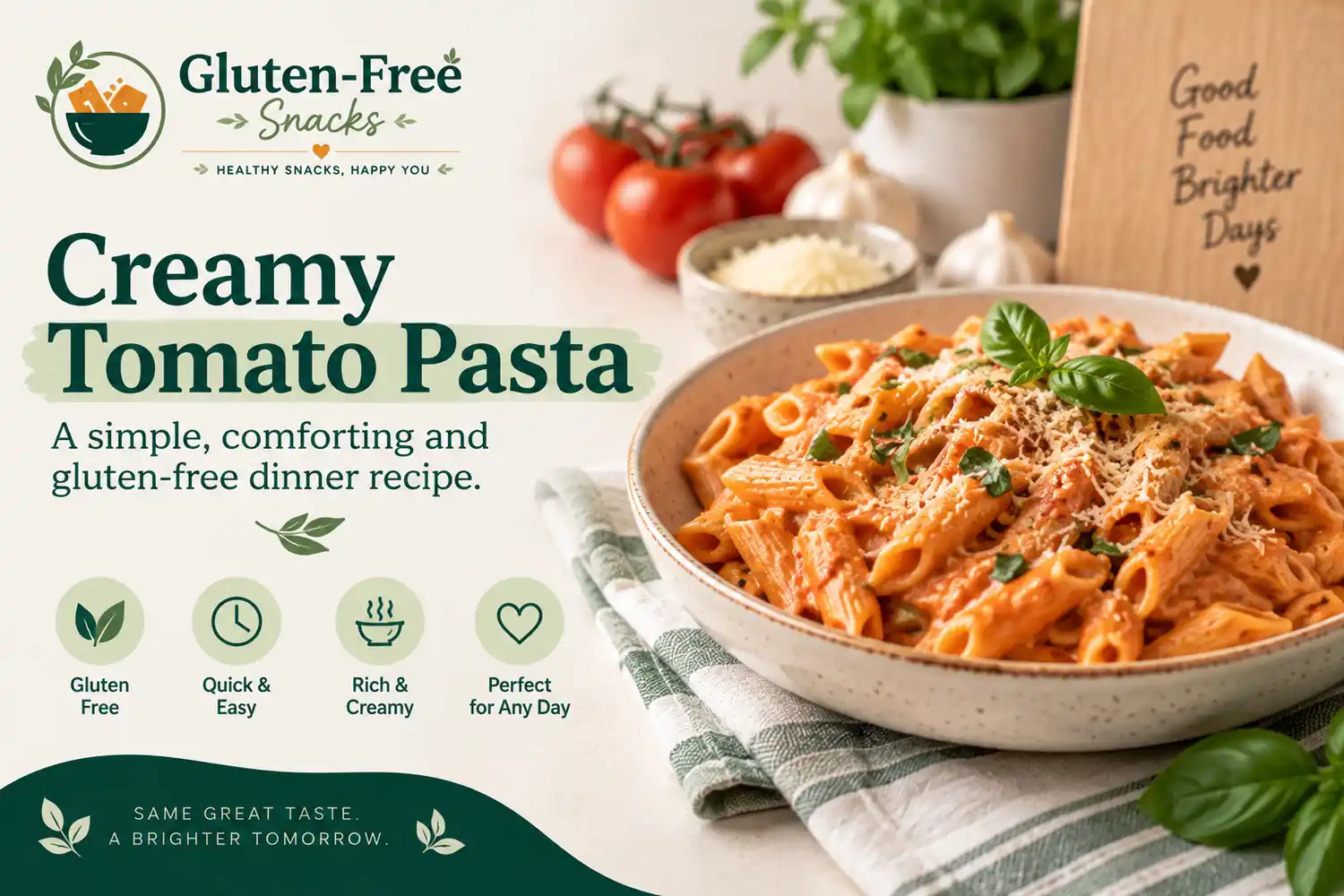
This creamy tomato pasta recipe uses gluten-free pasta with a rich tomato and cream sauce, garlic, Italian seasoning, and Parmesan. The sauce comes together while the pasta cooks, making this a practical weeknight dinner. Reserve a little pasta water before draining so you can adjust the sauce to a smooth, silky consistency. The ingredient structure below is based on established creamy tomato pasta methods that use tomato paste, tomato sauce or passata, cream, garlic, butter or oil, and Parmesan.
Recipe at a Glance
| Recipe Detail | Information |
| Prep Time | 5 minutes |
| Cook Time | 20 minutes |
| Total Time | 25 minutes |
| Yield | 4 servings |
| Pasta | 8 ounces gluten-free pasta |
| Recipe Type | Dinner |
| Cuisine | Italian-inspired |
| Dietary | Gluten-free when all ingredients are gluten-free |
Ingredients
- 8 ounces gluten-free pasta, such as penne, fusilli, or spaghetti
- 2 tablespoons unsalted butter
- 3 cloves garlic, minced
- 2 tablespoons tomato paste
- 1 can (14 ounces) tomato sauce
- ¾ cup heavy cream
- ½ teaspoon Italian seasoning
- ¼ teaspoon black pepper
- Salt, to taste
- ⅓ cup freshly grated Parmesan cheese
- ¼ cup reserved pasta water, plus more as needed
- Fresh basil or parsley, for serving
- A pinch of red pepper flakes, optional
How to Make It
Bring a large pot of salted water to a boil. Cook the gluten-free pasta according to the package directions until al dente. Before draining, reserve about ¼ cup of the pasta water.
While the pasta cooks, melt the butter in a large skillet over medium heat. Add the garlic and cook briefly until fragrant, taking care not to brown it.
Stir in the tomato paste and cook for about 1 minute. Add the tomato sauce, heavy cream, and Italian seasoning. Stir until smooth, then let the sauce gently simmer for several minutes.
Season with salt and black pepper. Stir in the Parmesan until melted. Add a little reserved pasta water if the sauce is too thick.
Add the drained pasta to the skillet and toss until every piece is coated in the creamy tomato sauce. Add more pasta water a splash at a time if needed.
Serve immediately with fresh basil or parsley, extra Parmesan, and red pepper flakes if desired.
Gluten-free note: Check the package labels for your pasta, tomato products, seasonings, and Parmesan when gluten avoidance is important. Gluten-free pasta also varies in cooking time and texture, so follow its package directions. The sauce itself can be gluten-free, but the complete dish depends on every ingredient used.
Ingredients You’ll Need
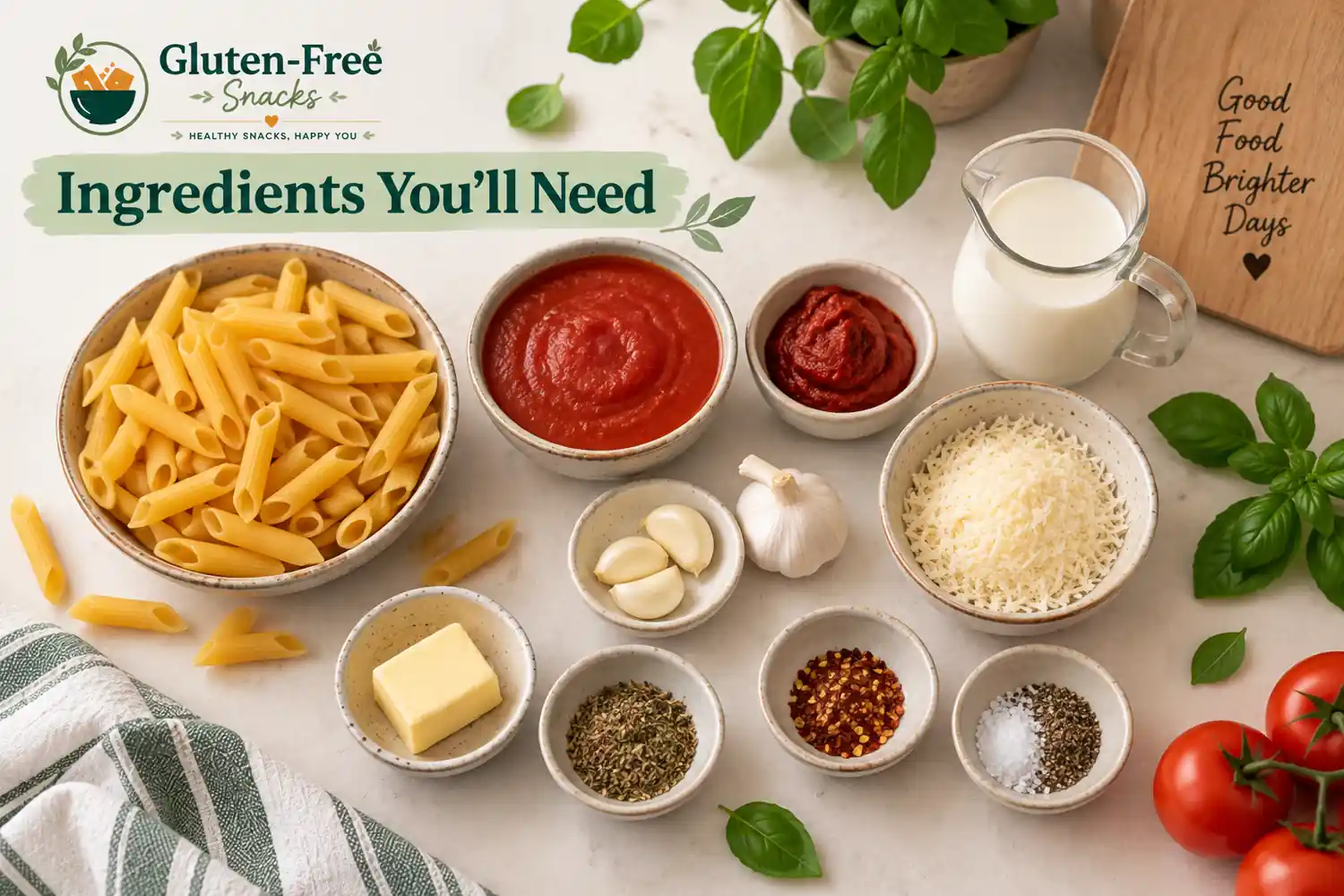
Each ingredient in this creamy tomato pasta has a clear role, and the balance between them is what gives the sauce its smooth texture and rich flavor.
Gluten-Free Pasta
For a gluten-free version, choose a pasta that is clearly labeled gluten-free. Penne, fusilli, rigatoni, and spaghetti can all work well. Short shapes with ridges or curves are especially useful because they hold onto the creamy tomato sauce. Cook the pasta according to its package directions and save some of the cooking water before draining.
Tomato Base
Tomato paste gives the sauce a concentrated tomato flavor. Passata creates a smooth sauce, while tomato sauce or crushed tomatoes can provide a more textured tomato base.
Cream and Parmesan
Cream adds richness and a silky texture, while finely grated Parmesan gives the sauce body and a savory finish.
Garlic, Butter, and Seasonings
Garlic, butter or olive oil, Italian seasoning, black pepper, salt, and optional chili flakes build the flavor.
Pasta Water
A splash of reserved pasta water helps loosen the sauce and allows it to coat the pasta smoothly rather than sitting heavily in the pan.
How to Make Creamy Tomato Pasta
Making this creamy tomato pasta is simple, especially when you prepare the pasta and sauce at the same time. The goal is a smooth tomato cream sauce that clings to the pasta without becoming too thick.
Step 1: Cook the Pasta
Bring a large pot of salted water to a boil. Add the gluten-free pasta and cook according to the package directions. Aim for al dente when the pasta allows it. Before draining, reserve some of the starchy pasta water. It will help adjust the sauce later.
Step 2: Build the Tomato Base
Heat butter or olive oil in a large skillet over medium heat. Add the garlic and onion, if using, and cook until softened and fragrant. Stir in the tomato paste and cook briefly. This helps develop a deeper, more concentrated tomato flavor.
Step 3: Add the Cream
Reduce the heat and gradually stir in the cream. Let the sauce gently simmer rather than boil aggressively. Gentle heat helps keep the creamy texture smooth.
Step 4: Add Parmesan and Seasoning
Stir in finely grated Parmesan, then season with salt, black pepper, Italian seasoning or fresh basil, and optional red pepper flakes.
Step 5: Toss With Pasta
Add the drained pasta directly to the skillet. Toss until well coated. Add reserved pasta water a little at a time until the creamy tomato sauce becomes smooth and coats the pasta evenly.
Step 6: Serve
Serve immediately with extra Parmesan, fresh basil or parsley, and a little black pepper.
How to Make Creamy Tomato Pasta Sauce Silky
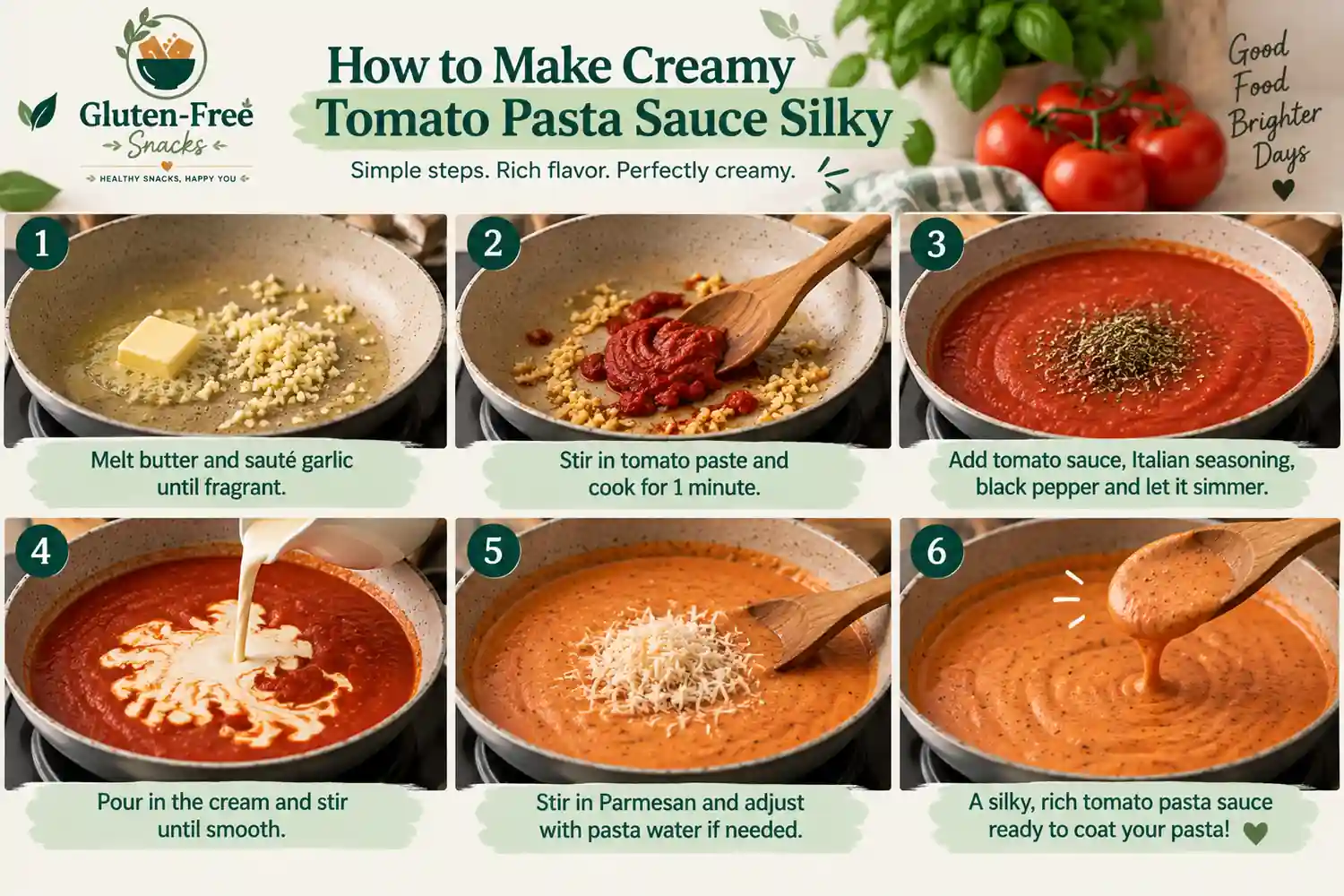
A good creamy tomato pasta sauce should feel smooth, rich, and light enough to coat the pasta without becoming heavy. Start by cooking the tomato paste briefly with the garlic and other aromatics. This helps bring out a deeper, more concentrated tomato flavor.
Keep the heat gentle once the cream goes in. A strong boil can affect the texture, so let the sauce simmer softly instead. Use finely grated Parmesan so it melts evenly into the sauce without leaving larger pieces behind.
Before draining the pasta, save some pasta water. Its starch helps loosen a thick sauce and creates a smoother silky tomato sauce that clings to the pasta. Rather than pouring the sauce over plain drained noodles, add the pasta directly to the skillet and toss everything together. This final step helps the sauce coat each piece and brings the flavors together.
Creamy Tomato Pasta Without Cream
You can make creamy tomato pasta without cream by using ingredients that add body and richness in different ways. Milk can create a lighter creamy tomato sauce without cream, especially when combined with butter and a little reserved pasta water. Cream cheese adds thickness and a mild tang, but it may need extra liquid to reach the right consistency. Coconut milk is another option for a dairy-free tomato pasta without cream, although it gives the sauce a subtle coconut flavor. Vegan cream can also work well for a creamy pasta without heavy cream. These are not automatic one-to-one swaps, because each ingredient changes the sauce’s thickness, flavor, and stability.
Easy Add-Ins for Creamy Tomato Pasta
Creamy tomato pasta is easy to customize without turning it into a completely different recipe. For vegetables, try spinach, mushrooms, bell peppers, zucchini, asparagus, or sun-dried tomatoes. Add quick-cooking vegetables near the end, while firmer vegetables can be sautéed with the aromatics. For protein, cooked chicken, shrimp, Italian sausage, or plant-based protein can make the dish more filling. Keep the balance in mind and avoid adding so much that the sauce no longer coats the pasta well. For extra flavor, finish with red pepper flakes, fresh basil, Parmesan, and black pepper. These simple add-ins let you adapt the same creamy tomato pasta for different meals while keeping its smooth sauce and comforting texture.
Common Problems With Creamy Tomato Pasta
Most creamy tomato pasta problems come down to liquid, heat, or cheese. When the creamy tomato sauce is too thin, there may be too much liquid or not enough reduction. Let it simmer gently for a little longer before adding more pasta water. For a creamy tomato sauce that is too thick, add reserved pasta water gradually while tossing until the sauce loosens.
A grainy sauce can happen when Parmesan does not melt smoothly, especially with coarse cheese or excessive heat. Finely grated Parmesan and gentle heating help create a smoother sauce. High heat can also cause dairy to separate when combined with acidic tomatoes, so avoid a vigorous boil.
Pasta naturally continues absorbing sauce after cooking. Finish the pasta in the skillet and keep some pasta water nearby so you can adjust the consistency. This is also one of the easiest ways to make creamy tomato sauce smooth and fix a watery tomato cream sauce without losing its coating texture.
How to Make Tomato Pasta Less Acidic
When tomato pasta tastes too acidic, the tomatoes themselves may be part of the reason, since different varieties and brands can have different levels of tartness. Cream can soften that sharp flavor and give a creamy tomato sauce that is too tart a rounder taste. A small pinch of sugar can also balance excessive tartness without making the sauce sweet. Butter and Parmesan add richness that can further soften the overall flavor. Start with a small amount and taste as you go rather than adding large amounts of sugar.
What to Serve With Creamy Tomato Pasta
Creamy tomato pasta pairs well with simple sides that add freshness and texture. A crisp green salad or simple side salad is an easy choice alongside the rich sauce. Roasted or steamed vegetables such as broccoli, zucchini, or asparagus can also add color and variety. For a gluten-free meal, serve it with gluten-free garlic bread made with suitable ingredients. Finish the pasta with fresh basil, parsley, or extra Parmesan for a simple touch of freshness.
How to Store and Reheat Creamy Tomato Pasta
Let leftover creamy tomato pasta cool appropriately before refrigerating it. Store it in an airtight container, and keep the pasta and sauce separate when practical for easier reheating. When you’re ready to eat, reheat the pasta gently over low to medium heat and stir often. Creamy sauce can thicken as it cools, so add a small splash of water or milk to bring back a smoother consistency. Avoid overheating or boiling the sauce, as high heat can affect its texture. For the safest storage time, follow the tested storage guidance for your final recipe rather than using a blanket number for every creamy tomato pasta recipe.
Is Creamy Tomato Pasta Healthy?
Whether creamy tomato pasta is healthy depends on the ingredients, portion, and overall meal. Tomatoes provide nutrients, while pasta is a source of carbohydrates. Cream and Parmesan add richness along with fat and some protein, so the nutritional profile can vary considerably between recipes. Adding spinach, mushrooms, zucchini, or other vegetables can increase the variety of nutrients in the meal. Gluten-free pasta nutrition also varies by the type of pasta used, and choosing gluten-free does not automatically make a dish healthier. A healthy creamy tomato pasta can simply be a balanced meal that combines pasta, a flavorful tomato sauce, vegetables, and a suitable portion of richer ingredients such as cream and cheese.
Final Thoughts
Creamy tomato pasta is a simple, comforting meal that comes together with a few everyday ingredients. A flavorful tomato base gives the sauce its foundation, while gentle heat helps maintain a smooth, creamy texture. Reserved pasta water makes it easier to control the consistency and helps the sauce cling to properly cooked pasta. Using gluten-free pasta makes the dish suitable for gluten-free needs when all ingredients are appropriate. Dairy-free and vegan versions are also possible with suitable, tested substitutions. You can keep the recipe simple or add vegetables, chicken, shrimp, or plant-based protein to make your creamy tomato pasta work for different meals.
Frequently Asked Questions About Creamy Tomato Pasta
Cook the tomato base, add cream or a suitable alternative, then gently simmer. Finish with Parmesan and reserved pasta water for a smooth sauce.
Cream, milk, butter, Parmesan, or suitable dairy-free alternatives can add richness and body.
Penne, rigatoni, fusilli, spaghetti, and fettuccine all work well. Choose a shape that holds the sauce.
It can be. Use clearly labeled gluten-free pasta and check other packaged ingredients.
Yes. Milk, cream cheese, coconut milk, or vegan cream can provide different levels of creaminess.
Yes. Milk can make a lighter sauce, and butter can add richness.
Simmer it gently to reduce excess liquid, then adjust with Parmesan or a small amount of pasta water as needed.
Continue cooking gently to reduce it. Avoid adding more liquid until the consistency improves.
A small pinch of sugar can balance excessive tartness. Cream, butter, and Parmesan can also soften the sharpness.
Yes. Use dairy-free cream, coconut milk, vegan cream cheese, and a suitable Parmesan alternative.
Yes, but every ingredient must be plant-based, including the cream, butter, cheese, and packaged products.
Yes, although the sauce may need more cooking to reach the desired thickness.
The sauce can be prepared ahead, but the pasta is often best added closer to serving so it does not absorb too much sauce.
Reheat gently and stir regularly. Add a small splash of water or milk if the sauce has thickened.