A gluten free diet is not just about avoiding bread or pasta. It means knowing which foods contain gluten, understanding how packaged foods are labeled, and taking reasonable steps to prevent cross contact. Gluten is found in grains such as wheat, barley, rye, and triticale. At the same time, many everyday foods, including fruits, vegetables, eggs, meat, seafood, and some grains, are naturally gluten free.For people who need to avoid gluten, especially those with celiac disease, choosing safe foods requires more than looking at the front of a package. A gluten free label has a specific meaning in the United States. The FDA allows manufacturers to use the claim when their products meet its gluten free labeling requirements.This guide explains what a gluten free diet means, how gluten free labeling works, what to check on food labels, and how to make safer choices when buying or preparing food.
What Is a Gluten Free Diet?
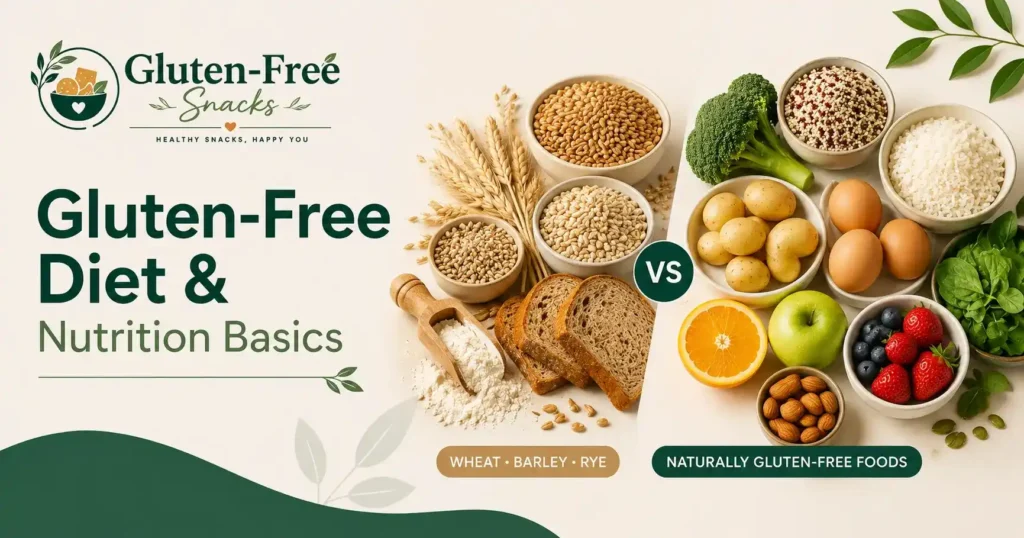
A gluten free diet means avoiding foods that contain gluten, a group of proteins naturally found in wheat, barley, rye, and grains made by crossing these grains, such as triticale. This includes many familiar foods such as regular bread, pasta, cereals, and baked goods.
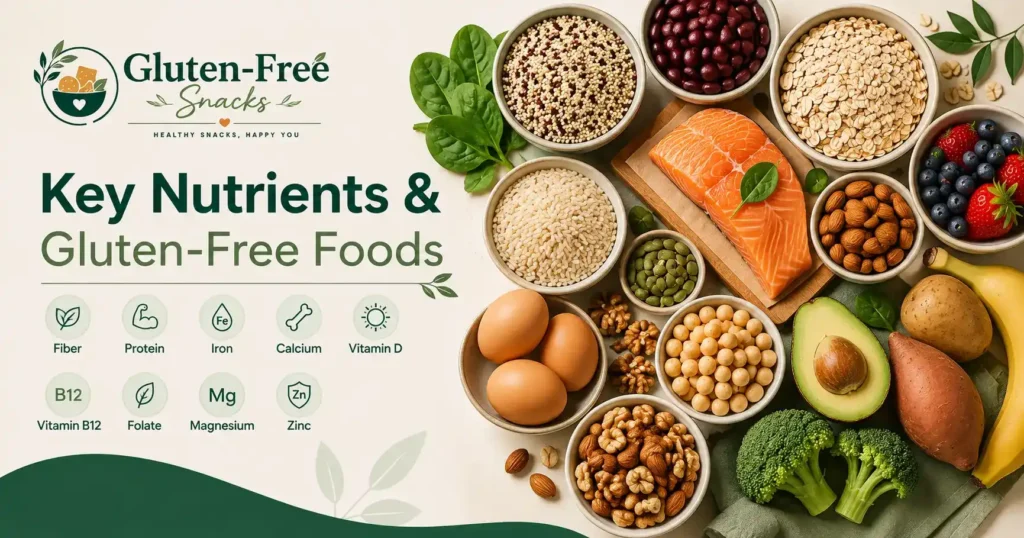
The good news is that going gluten free does not mean giving up a wide variety of foods. Many foods are naturally gluten free, including fresh fruits and vegetables, eggs, unseasoned meat and seafood, nuts, seeds, legumes, and several gluten free grains such as rice, quinoa, buckwheat, millet, sorghum, and teff.
People may follow a gluten free diet for different reasons:
- Celiac disease: Gluten triggers an immune reaction that damages the small intestine. People with celiac disease need to avoid gluten strictly.
- Non celiac gluten sensitivity: Some people experience symptoms after eating gluten without having celiac disease.
- Other dietary choices: Some people choose gluten free foods for personal reasons, although a gluten free diet is not automatically healthier for everyone.
The important point is simple: understanding which foods naturally contain gluten and which foods are naturally gluten free is the first step toward making informed choices.
What Foods Are Naturally Gluten Free?
One of the easiest ways to follow a gluten free diet is to start with foods that are naturally free from gluten. Fresh, unprocessed foods such as fruits, vegetables, eggs, plain meat, seafood, nuts, and seeds are good examples. Many grains and starchy foods, including rice, quinoa, corn, and potatoes, can also fit into a gluten free diet.
Naturally Gluten Free Foods
Common naturally gluten free choices include:
- Fruits: apples, bananas, berries, oranges, and other fresh fruit
- Vegetables: carrots, broccoli, spinach, tomatoes, potatoes, and sweet potatoes
- Gluten free grains: rice, quinoa, corn, buckwheat, millet, and sorghum
- Protein foods: eggs, plain meat, poultry, and seafood
- Legumes: beans, chickpeas, and lentils
- Nuts and seeds: almonds, walnuts, chia seeds, and pumpkin seeds
- Plain dairy: milk, plain yogurt, and many plain cheeses
These foods do not need to carry a gluten free label to be naturally free from gluten. However, processing and preparation can introduce gluten through cross contact, so extra care is useful with packaged, seasoned, or prepared versions
Foods That Commonly Contain Gluten
The main grains to watch are wheat, barley, rye, and triticale. They are commonly found in:
- Bread and many baked goods
- Wheat based pasta
- Many breakfast cereals
- Crackers and other wheat based snacks
- Foods made with wheat flour
- Some processed foods containing malt or other gluten containing ingredients
The key distinction is simple: a food can be naturally gluten free, but a packaged or processed version may require closer label checking. The FDA notes that naturally gluten free foods do not have to carry a gluten free claim, while products that use the claim must meet the applicable requirements.
What Are the FDA Gluten Free Label Requirements?
If you are buying packaged foods for a gluten free diet, the gluten free label can make shopping easier. In the United States, the FDA has specific requirements for foods that use a voluntary gluten free claim. A product labeled “gluten free” must meet the FDA standard of less than 20 parts per million (ppm) of gluten.
This standard helps consumers identify products that meet the federal definition of gluten free. However, a food does not have to carry a gluten free label simply because it is naturally gluten free.
| Label or Term | What It Means |
| Gluten free | Meets applicable FDA gluten free labeling requirements |
| Certified gluten free | Meets a third party certification program in addition to applicable requirements |
| No gluten free claim | Does not by itself tell you whether the product meets the FDA gluten free labeling standard |
It is also important to remember that gluten free labeling is not the same as a general health claim. The label tells you about gluten, not whether a product is nutritious, low in sugar, or suitable for every dietary need.
How to Read a Gluten Free Food Label
Knowing how to read a food label can make gluten free shopping much simpler. The front of a package is only the starting point. Before buying a packaged food, take a moment to check the gluten free statement, ingredient list, and allergen information.
Check the Gluten Free Statement
Start by looking for a clear “gluten free” statement on the package. In the United States, products using this claim must meet the FDA’s gluten free labeling requirements. This can be especially helpful when choosing packaged foods that are not naturally gluten free.
Read the Ingredient List
If you are avoiding gluten, pay attention to ingredients associated with wheat, barley, rye, and triticale. Also watch for malt and other ingredients derived from gluten containing grains.
A quick label check should include:
Wheat
Barley
Rye
Triticale
Malt
Ingredients derived from these grains
If you are unsure about a specific ingredient, the Food Checker can provide general guidance. Always confirm the information against the current product label.
Check Allergen Information
The allergen statement and gluten free claim serve different purposes. An allergen statement helps identify major food allergens, while a gluten free claim addresses gluten specifically.
If a product has no gluten free claim, do not assume it is safe or unsafe based on the front of the package alone. Read the full label and consider the product’s preparation and cross contact information when relevant.
Gluten Free vs Certified Gluten Free
The terms gluten free and certified gluten free are related, but they are not the same. In the United States, “gluten free” is a voluntary labeling claim that manufacturers can use when their product meets the FDA’s gluten free requirements.
“Certified gluten free” means the product has also gone through a third party certification program. The certification organization applies its own standards and verification process.
The important point is that third party certification is not required for a manufacturer to use the FDA gluten free claim.
| Term | What It Means |
| Gluten free | Meets applicable FDA gluten free labeling requirements |
| Certified gluten free | Meets a third party certification program’s requirements |
| No gluten free claim | Does not by itself confirm whether the product meets the FDA gluten free standard |
For everyday gluten free food shopping, a clear FDA compliant gluten free claim can be useful. If you prefer certified products, look for a recognized third party certification mark as well.
What Is Cross Contact and Why Does It Matter?
Gluten cross contact happens when gluten comes into contact with food that would otherwise be gluten free. This can happen at different points, including manufacturing, processing, transportation, storage, or food preparation.
For people who need to avoid gluten strictly, cross contact is important because simply choosing naturally gluten free ingredients may not always be enough.
Common sources include:
- Shared manufacturing equipment
- Food processing facilities
- Shared preparation surfaces or utensils
- Storage areas where foods are mixed or handled together
- Transportation and packaging
How to Reduce Gluten Cross Contact
A few simple habits can help:
- Use clean preparation surfaces and utensils.
- Keep gluten free foods separate when needed.
- Avoid sharing utensils that may have contacted gluten containing foods.
- Check packaged food labels and relevant product information.
- Follow the advice provided by your healthcare professional if you need strict gluten avoidance.
Be careful with precautionary statements such as “may contain.” Their use and meaning can vary, so do not treat one phrase as the only way to judge a product. For specific dietary or medical needs, follow appropriate professional guidance.
Are Gluten Free Foods Always Safe or Healthy?
Gluten free does not automatically mean healthy. A packaged gluten free snack may still be high in added sugar, sodium, refined starches, or saturated fat. That is why it helps to look beyond the gluten free claim and check the ingredient list and Nutrition Facts panel.
A gluten free diet can also include plenty of nutritious whole foods, such as:
- Fruits and vegetables
- Beans and other legumes
- Nuts and seeds
- Rice, quinoa, and other naturally gluten free grains
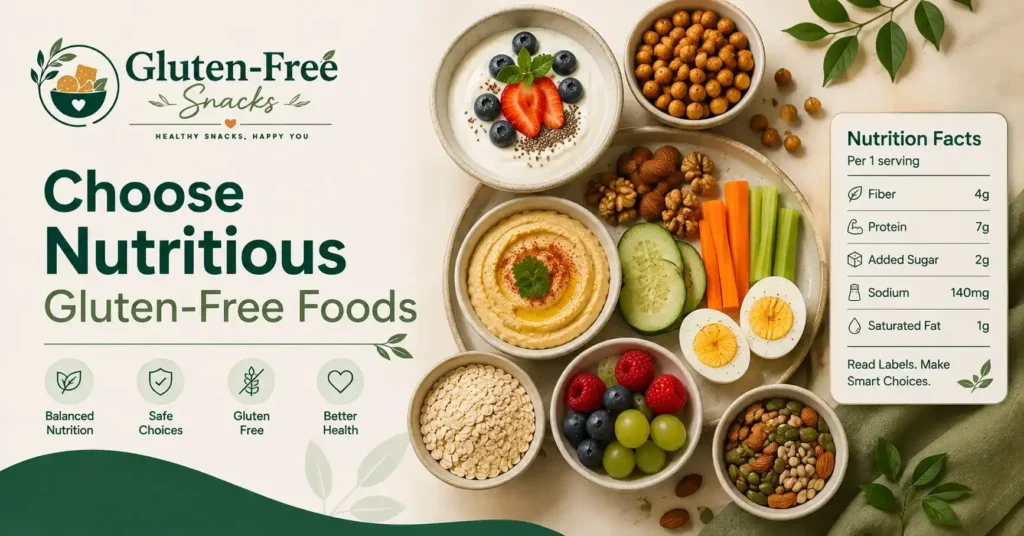
The best approach is not to judge a food by its gluten free label alone. Consider the ingredients, overall nutrition, and how the food fits your dietary needs. This makes it easier to choose gluten free foods that are both suitable and nourishing.
How to Shop Safely on a Gluten Free Diet
Shopping on a gluten free diet does not have to be complicated. A simple label checking routine can help you make more confident choices.
Step 1: Start With the Label
Look for an appropriate gluten free claim on packaged foods.
Step 2: Read the Ingredients
Check for wheat, barley, rye, triticale, malt, and other ingredients that may contain gluten.
Step 3: Consider Cross Contact
Review any available information about shared equipment, manufacturing, or cross contact, especially if you need to avoid gluten strictly.
Step 4: Check Nutrition
Compare the protein, fiber, added sugar, sodium, and serving size to find an option that fits your needs.
Step 5: Recheck Products
Do not rely on a label you checked months ago. Manufacturers can change ingredients and formulations, so always review the current package before buying.
Gluten Free Label Symbols and Certification
When shopping for gluten free foods, you may see different gluten free symbols, certification marks, and manufacturer claims on packages. These marks can help shoppers identify products that meet specific gluten free standards.
A gluten free label may be a manufacturer’s regulated claim, while a certified gluten free label indicates that the product has gone through a third party certification program.
Keep in mind that not every gluten free symbol represents the same certification program. If a certification mark is unfamiliar, check which organization issued it and what its certification represents.
Gluten Free Diet Safety Checklist
Use this quick checklist when buying packaged foods:
| What to Check | Why It Matters |
| Gluten free claim | Helps identify products meeting applicable requirements |
| Ingredient list | Shows what the food contains |
| Allergen information | Provides additional food allergy information |
| Cross contact | Helps identify potential exposure concerns |
| Certification | May provide additional third party assurance |
| Nutrition Facts | Helps compare overall nutritional value |
| Current package | Ingredients and formulations can change |
Final Thoughts
Following a gluten free diet becomes much easier when you understand both the food itself and the label on the package. Start with naturally gluten free foods such as fruits, vegetables, legumes, nuts, seeds, and gluten free grains. When choosing packaged foods, pay attention to the FDA gluten free claim, ingredient list, allergen information, and certification marks. It is also important to consider gluten cross contact, especially when gluten avoidance needs to be strict. Remember that a gluten free label does not automatically mean a product is nutritious, so checking the Nutrition Facts can help you make better informed choices. Finally, always check the current package information, since manufacturers can change ingredients and formulations. With these simple habits, gluten free shopping can feel much more straightforward and manageable.
Frequently Asked Questions About Gluten Free Diet, Safety and Labeling
A gluten free diet avoids gluten, a protein found naturally in wheat, barley, rye, and triticale.
Fresh fruits, vegetables, rice, quinoa, potatoes, beans, lentils, eggs, plain meat, seafood, nuts, seeds, and many plain dairy products are naturally gluten free.
In the United States, a food using a gluten free claim must meet the FDA’s applicable requirements, including the less than 20 ppm standard.
It means the product meets the applicable FDA requirements for using a gluten free claim.
The FDA standard is less than 20 parts per million (ppm) of gluten.
Not exactly. Certified gluten free products also go through a third party certification program.
Check the gluten free claim, ingredient list, allergen information, and relevant cross contact information.
Watch for wheat, barley, rye, triticale, malt, and ingredients derived from gluten containing grains.
It occurs when gluten comes into contact with food that would otherwise be gluten free during processing, preparation, storage, or handling.