A gluten-free diet can be nutritionally adequate, but simply removing gluten does not automatically make a diet healthy. Gluten-free nutrition depends on food quality, variety, and getting enough fiber, protein, vitamins, and minerals. Research shows that some gluten-free eating patterns may provide less fiber and certain nutrients, especially when people rely heavily on refined gluten-free products.
This raises important questions about gluten-free foods and their nutritional value. Which naturally gluten-free foods provide the best nutrition? Can a gluten-free diet lead to nutrient gaps? And what does gluten-free diet research tell us today? A balanced approach focuses on naturally gluten-free whole foods, nutrient-dense choices, and overall nutritional quality, rather than choosing foods simply because they carry a “gluten-free” label.
What Is a Gluten-Free Diet?
A gluten-free diet is an eating pattern that removes foods containing gluten, a group of proteins naturally found in wheat, barley, and rye. Gluten helps give dough its structure and is found in many common foods, including bread, pasta, cereals, and baked goods.
What Is Gluten?
Gluten occurs naturally in:
- Wheat and wheat varieties
- Barley
- Rye
- Foods made from these gluten-containing grains
Who Needs a Gluten-Free Diet?
A gluten-free diet is essential for people with celiac disease, who need to avoid gluten for life. People with wheat allergy or non-celiac gluten sensitivity may also need to avoid wheat or gluten based on professional guidance. For people without a diagnosed gluten-related condition, there is no general need to avoid gluten.
Is a Gluten-Free Diet Nutritionally Healthy?
Yes, gluten-free nutrition can be healthy when the diet is well planned. However, simply replacing regular foods with packaged gluten-free products does not guarantee good nutrition. Some refined gluten-free foods may provide less fiber, protein, vitamins, and minerals.
A balanced gluten-free diet should focus on:
- Naturally gluten-free whole foods
- A variety of fruits and vegetables
- Good sources of protein
- High-fiber gluten-free grains and legumes
- Nutrient-dense foods
- Fortified foods when useful
Key Nutrients to Watch on a Gluten-Free Diet
| Nutrient | Why It Matters | Gluten-Free Sources |
| Fiber | Digestive health | Vegetables, fruit, legumes, quinoa |
| Iron | Red blood cells | Meat, beans, lentils |
| Calcium | Bones and teeth | Dairy, fortified foods |
| Vitamin D | Bones and immune health | Fish, fortified foods |
| B Vitamins | Energy and cell function | Eggs, meat, legumes, fortified foods |
| Magnesium | Muscle and nerve function | Nuts, seeds, legumes |
| Zinc | Immune function | Meat, seafood, beans, seeds |
Why Fiber Can Be Low
Replacing whole-grain wheat products with refined gluten-free starches can lower fiber intake. Choosing vegetables, legumes, quinoa, buckwheat, and gluten-free oats can help.
Protein on a Gluten-Free Diet
Eggs, fish, meat, dairy, beans, lentils, nuts, seeds, quinoa, and buckwheat can provide useful protein.
Gluten-Free Diet Nutrient Deficiencies
A gluten-free diet can sometimes lead to nutrient gaps, especially when food choices are limited or heavily based on refined gluten-free products. Nutritional needs can also be affected by the condition that requires gluten avoidance.
Why Nutrient Deficiencies Can Happen
Before celiac disease is diagnosed, intestinal damage may cause malabsorption, reducing the body’s ability to absorb nutrients. After starting a gluten-free diet, gaps may occur because of limited food choices, low-fiber foods, poor dietary variety, or a lack of fortified foods.
Common Nutrients That May Need Attention
These include:
- Iron and folate
- Vitamin B12 and vitamin D
- Calcium and zinc
- Magnesium
- Dietary fiber
Not everyone will develop a deficiency. Nutritional needs vary by person and condition. Supplements should not be taken automatically. A healthcare professional or dietitian can help determine whether testing or supplementation is appropriate.
Naturally Gluten-Free Foods
Many gluten-free foods are naturally free from gluten and can provide important nutrients. Building meals around these foods can make a gluten-free diet more varied and nutritious.
What 9 Foods Are Naturally Gluten-Free?
- Fruits – Provide vitamins, minerals, and fiber.
- Vegetables – Rich in fiber and essential nutrients.
- Eggs – A convenient source of protein.
- Fish – Provides protein and healthy fats.
- Lean meat – Provides protein, iron, and zinc.
- Beans – Offer plant protein and fiber.
- Nuts and seeds – Provide healthy fats, protein, and minerals.
- Potatoes – Provide carbohydrates and potassium.
- Rice – A versatile gluten-free grain.
Other naturally gluten-free choices include quinoa, buckwheat, millet, sorghum, amaranth, and teff. These grains and seeds can add variety while providing fiber, protein, vitamins, and minerals. Always check labels on packaged foods for gluten-containing ingredients or cross-contact warnings.
What Are the Top 10 Gluten-Free Foods?
The best gluten-free foods are not only free from gluten but also provide useful nutrients. Choosing a mix of whole foods can support a balanced diet and improve overall nutritional quality.
| Food | Main Nutritional Strength |
| Quinoa | Protein and fiber |
| Beans | Protein and fiber |
| Eggs | Protein and key nutrients |
| Salmon | Protein and healthy fats |
| Potatoes | Carbohydrates and potassium |
| Leafy greens | Folate and minerals |
| Nuts | Healthy fats and minerals |
| Seeds | Fiber and minerals |
| Fruit | Fiber and vitamins |
| Gluten-free oats | Fiber and whole-grain nutrition |
These foods can be combined in many ways to create nutritious meals and gluten-free snacks. For packaged foods, always check the ingredient list and gluten-free labeling, as processing and cross-contact can affect whether a product is suitable for people who must strictly avoid gluten.
Gluten-Free Grains and Alternative Grains
Choosing a variety of gluten-free grains can improve the nutritional quality of a gluten-free diet. Whole and minimally processed options can provide fiber, protein, vitamins, and minerals.
Best Gluten-Free Grains
Good choices include:
- Brown rice – A versatile whole grain with fiber and minerals.
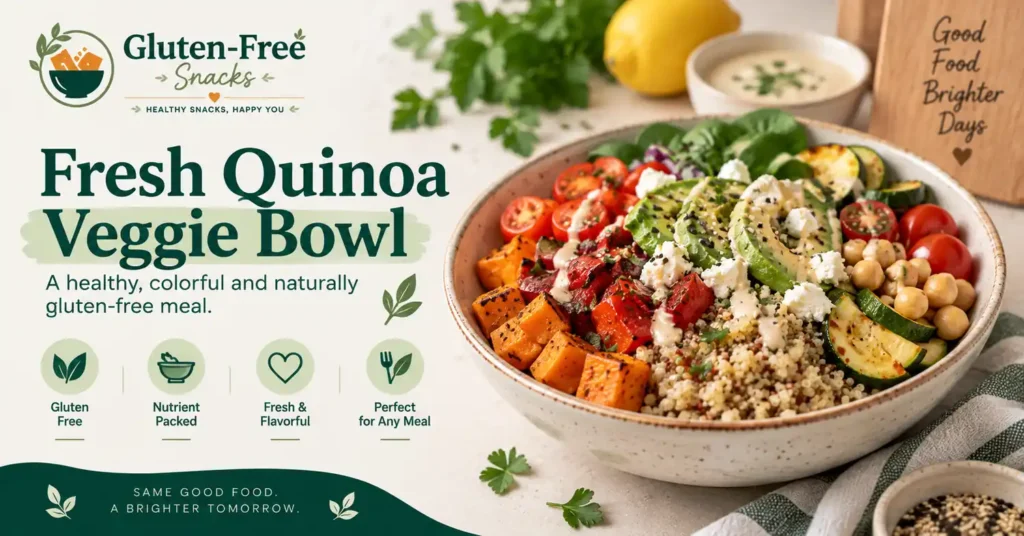
- Quinoa – Provides protein and fiber.
- Buckwheat – Offers fiber, minerals, and plant protein.
- Millet – A useful source of carbohydrates and minerals.
- Sorghum – Provides fiber and plant-based nutrients.
- Amaranth – Rich in protein and minerals.
- Teff – A small grain with fiber and minerals.
- Gluten-free oats – Provide whole-grain nutrition and fiber.
Why Ancient Grains Matter in Gluten-Free Research
Researchers are exploring ancient grains and pseudocereals such as sorghum, teff, fonio, millet, quinoa, and amaranth to improve gluten-free foods. Research focuses on their protein, fiber, minerals, bioactive compounds, digestibility, texture, flavor, and overall nutritional quality.
Are Gluten-Free Packaged Foods Healthy?
Not necessarily. Gluten-free foods can still be high in added sugar, saturated fat, sodium, or calories. The gluten-free label tells you that gluten has been removed or avoided, but it does not tell you whether a product is nutritionally balanced.
Gluten-Free Does Not Mean Nutrient-Dense
A gluten-free product may be made with refined rice flour, corn starch, or other refined ingredients. These products can fit into a gluten-free diet, but they may provide less fiber, protein, and micronutrients than whole-food choices. A nutritious diet should include a variety of naturally gluten-free foods.
What Research Says About Gluten-Free Products
Research comparing gluten-free products has examined differences in:
- Fiber and protein
- Sugar and calories
- Fat and saturated fat
- Sodium
- Vitamins and minerals
The key takeaway is simple: choose packaged gluten-free foods based on their overall nutrition profile, not the gluten-free label alone.
Gluten-Free Snacks and Nutrition
A nutritious gluten-free snack should offer more than just gluten-free ingredients. Look for a good balance of protein, fiber, healthy fats, and essential nutrients, while keeping added sugar, sodium, and saturated fat reasonable.
What Makes a Gluten-Free Snack Nutritious?
Choose snacks with:
- Protein for fullness and nutrition
- Fiber to support digestive health
- Healthy fats from nuts and seeds
- Lower amounts of added sugar
- Nutrient-dense ingredients
- A reasonable portion size
- A simple, balanced ingredient list
Healthy Gluten-Free Snack Examples
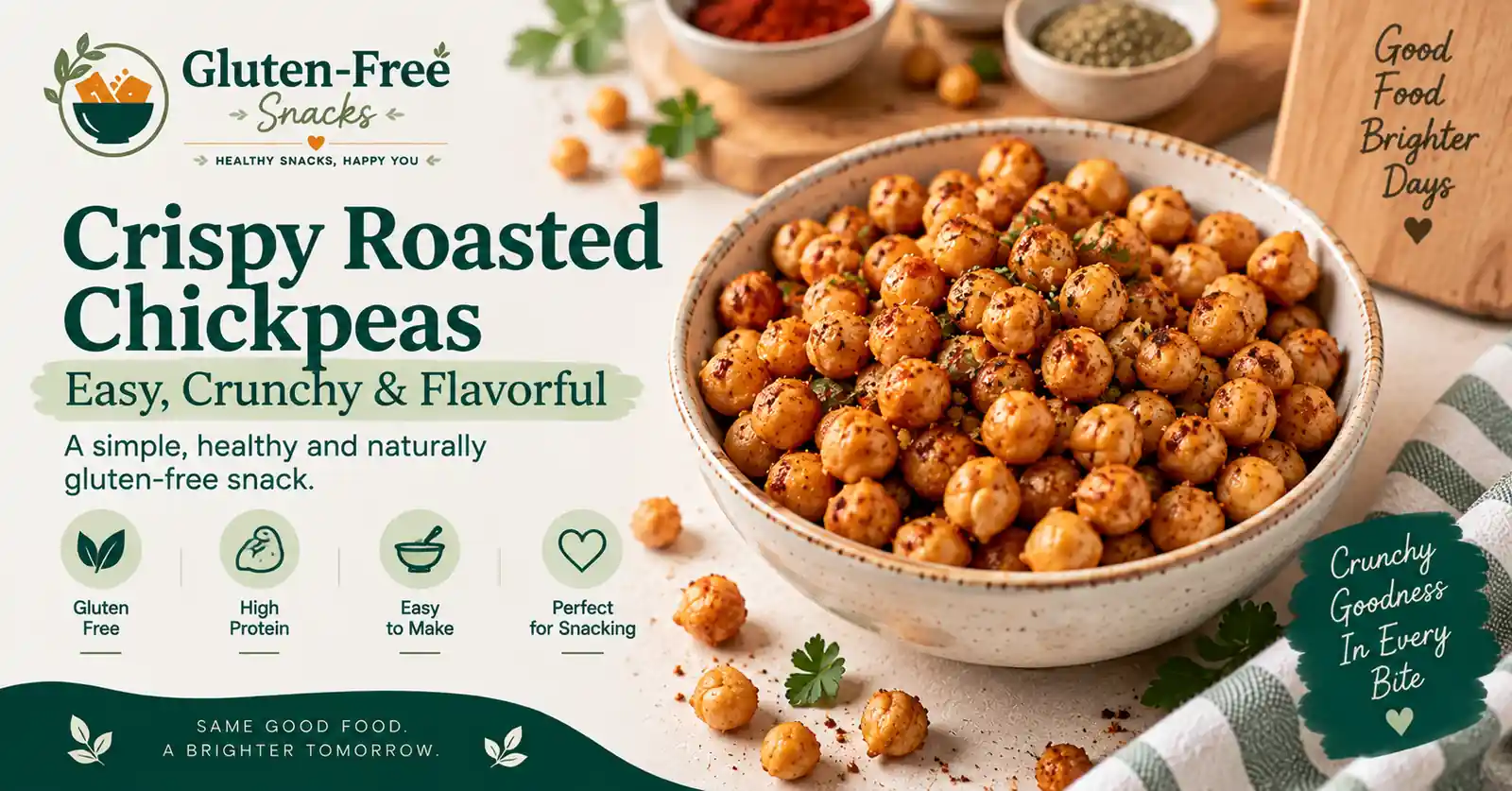
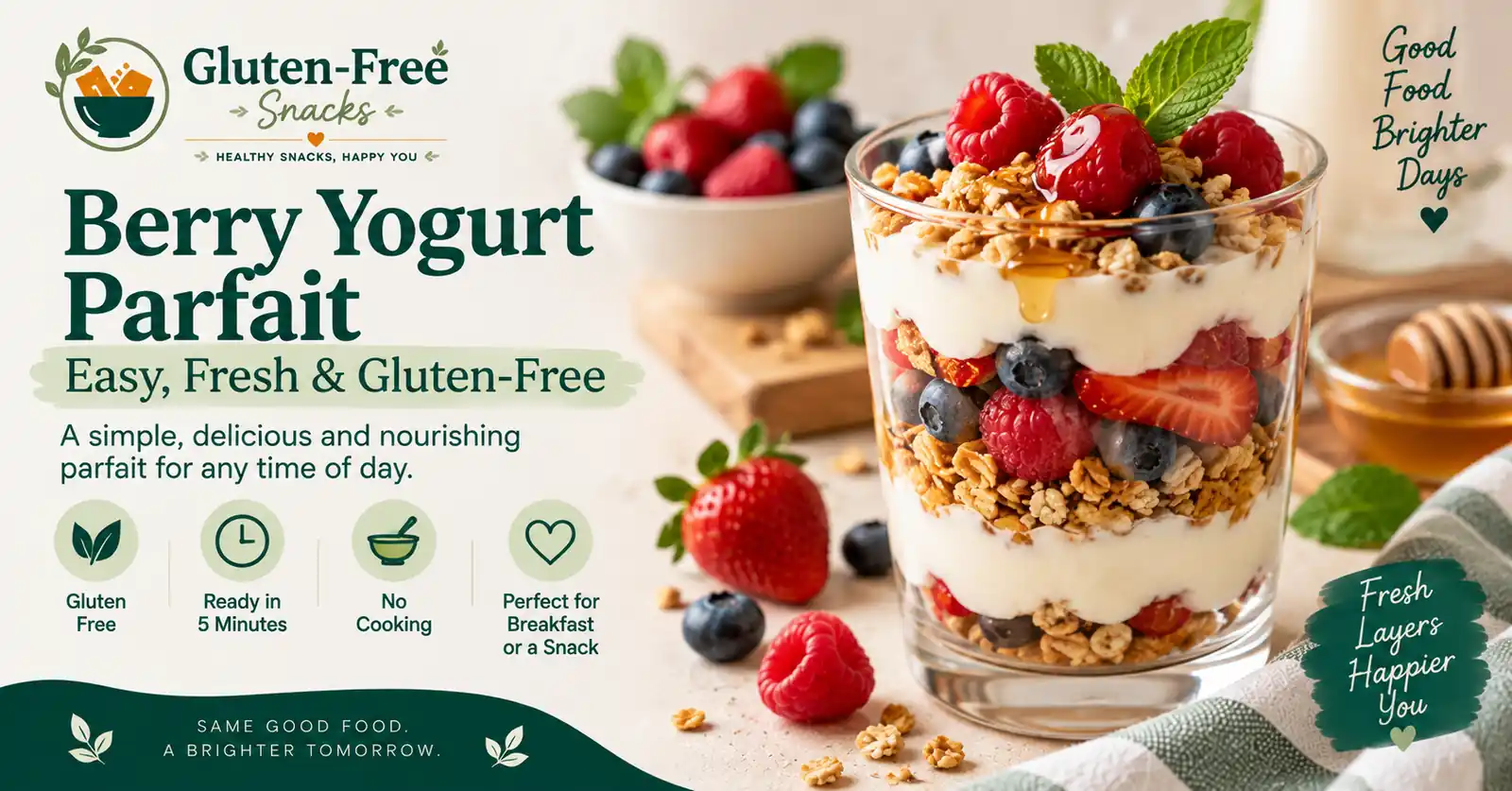
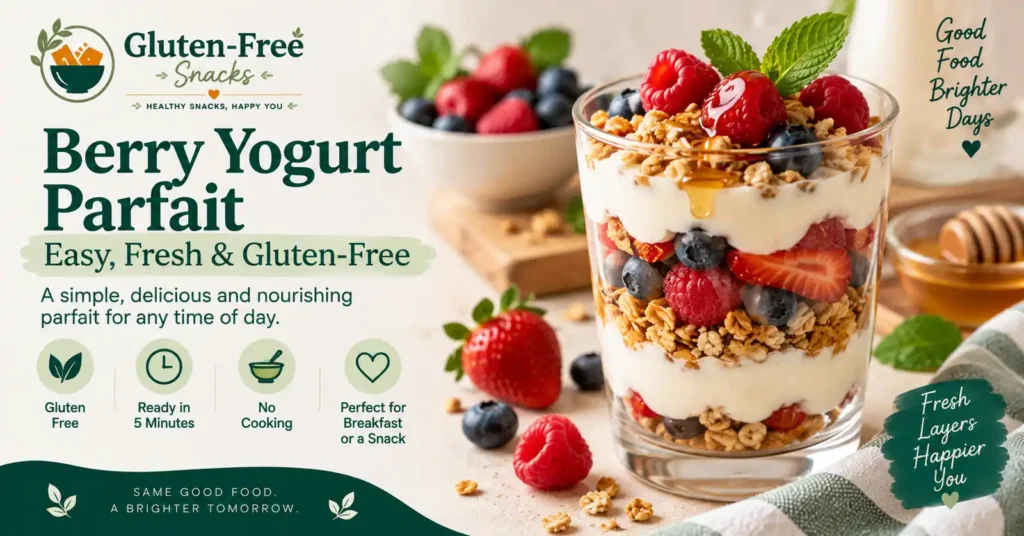
Good options include fruit with nuts, yogurt with berries, hummus with vegetables, roasted chickpeas, gluten-free oats, seeds, hard-boiled eggs, and nut butter with fruit.
How to Read a Gluten-Free Snack Nutrition Label
Check the serving size, fiber, protein, added sugars, sodium, saturated fat, and ingredient list. A gluten-free label confirms gluten suitability, but the nutrition facts help you judge the product’s overall nutritional quality.
Gluten-Free Diet Plan for Beginners
A gluten-free diet plan for beginners does not need to be restrictive or complicated. Start with naturally gluten-free foods and build balanced meals that provide protein, carbohydrates, healthy fats, fiber, vitamins, and minerals.
Build Your Plate
A simple formula is:
Protein + naturally gluten-free carbohydrate + vegetables or fruit + healthy fat
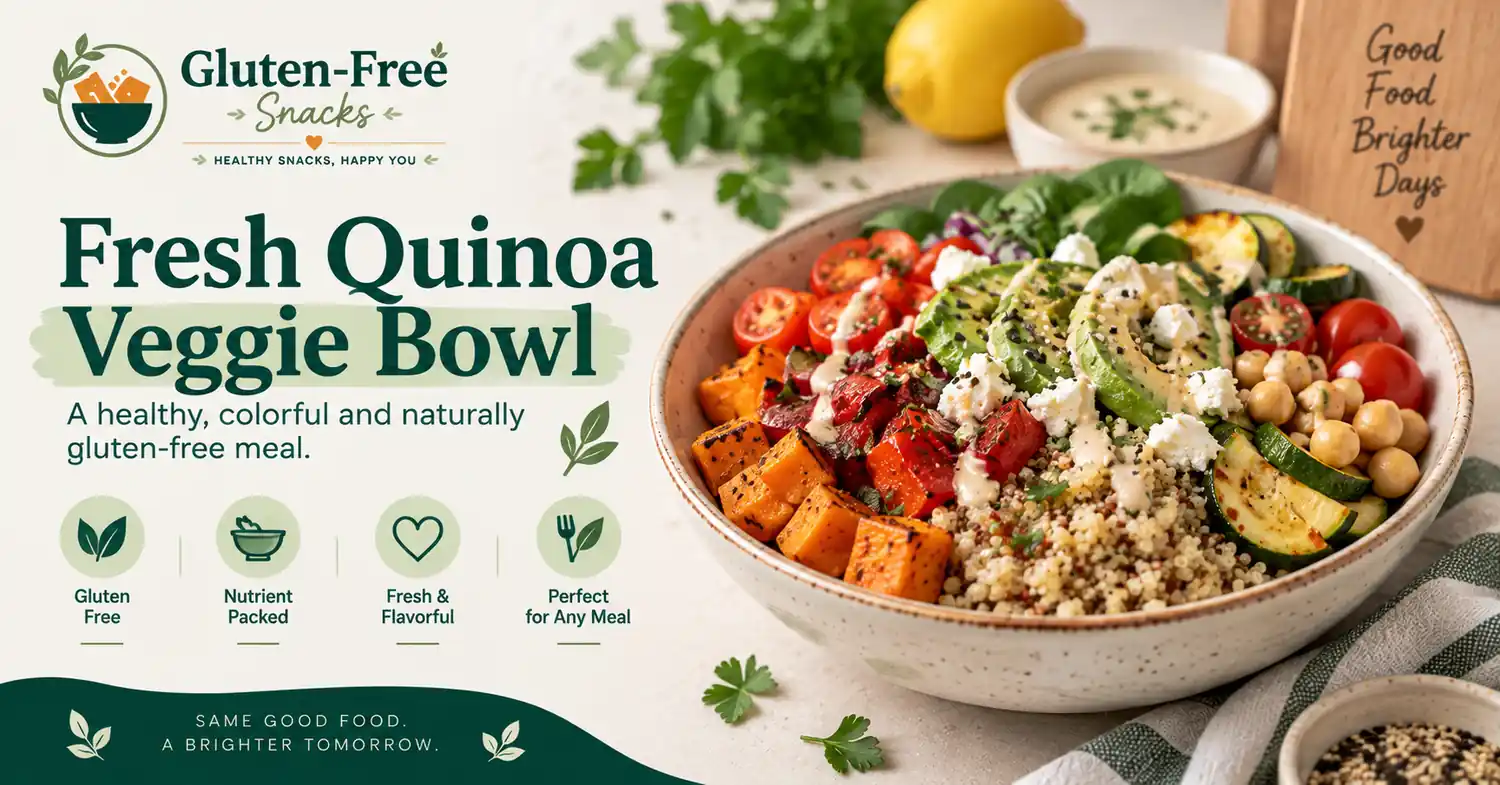
For example, pair chicken with rice and vegetables, or fish with potatoes and a salad. This approach supports variety and overall gluten-free nutrition.
One-Day Gluten-Free Diet Example
- Breakfast: Eggs, fruit, and gluten-free oats
- Lunch: Rice, chicken, and vegetables
- Snack: Yogurt, berries, and nuts
- Dinner: Potatoes or quinoa, fish, and vegetables
Choose foods based on your needs and preferences rather than following a rigid plan. Individual nutritional needs vary, especially for people with celiac disease or other conditions requiring gluten avoidance. A dietitian can provide personalized guidance when needed.
Gluten-Free Diet for Celiac Disease
A celiac disease diet is different from choosing gluten-free foods as a lifestyle preference. For people with celiac disease, avoiding gluten is a medical necessity because gluten triggers an immune response that can damage the small intestine and affect nutrient absorption.
Why Strict Gluten Avoidance Matters
A strict gluten-free diet can help manage celiac disease and support intestinal healing. Even small amounts of gluten may be a concern, so careful food choices and avoiding cross-contact are important.
Nutritional Monitoring in Celiac Disease
Nutritional needs may require monitoring, particularly for:
- Iron
- Vitamin D
- Calcium
- Vitamin B12
- Folate
Other nutrients may also need attention based on individual health needs. Professional dietary guidance can help create a balanced gluten-free eating pattern.
What Does Research Say About Gluten-Free Diet Benefits?
For people with celiac disease, a gluten-free diet is medically necessary. For people without a diagnosed gluten-related condition, research does not show that avoiding gluten is automatically healthier. Evidence for non-celiac gluten sensitivity (NCGS) is more complex, with some people reporting symptom improvement, but responses vary.
Gluten-Free Nutrition Research: What Scientists Are Studying Now
Current gluten-free nutrition research is focused on making gluten-free foods more nutritious, enjoyable, and easier to digest. Researchers are exploring new ingredients and food-processing methods to improve their overall nutritional quality.
Improving the Nutritional Quality of Gluten-Free Foods
Studies are exploring ways to increase fiber, protein, micronutrients, and bioactive compounds in gluten-free products.
Ancient Grains and Pseudocereals
Researchers are studying quinoa, amaranth, sorghum, teff, millet, fonio, and buckwheat as alternatives that may improve the nutritional value of gluten-free foods.
Better Gluten-Free Bread and Baked Foods
Research also focuses on improving texture, taste, structure, shelf life, fermentation, and sourdough methods while increasing nutrient density.
Digestibility and Nutrient Bioavailability
Scientists are also studying digestibility and nutrient bioavailability. This means looking beyond how much of a nutrient a food contains to understand how well the body can digest, absorb, and use it.
Gluten-Free Diet and Gut Health
The gluten-free diet and gut health connection depends largely on the overall quality of the diet, not simply on removing gluten. Foods rich in dietary fiber can support the gut microbiome by providing fuel for beneficial bacteria during fermentation.
A varied gluten-free diet that includes vegetables, fruits, legumes, nuts, seeds, and suitable whole grains may support microbial diversity and healthy digestion. In contrast, relying mainly on refined gluten-free products may provide less fiber and dietary variety.
For people with celiac disease, following a strict gluten-free diet is essential and may support recovery of the intestinal lining. Research into non-celiac gluten sensitivity is more complex, and individual responses vary.
Overall, gluten-free eating does not automatically improve gut health. The nutritional composition, fiber intake, food variety, and individual health condition all matter.
Gluten-Free Diet Research: What We Know and What We Still Don’t Know
Research on gluten-free nutrition continues to explore both the benefits and limitations of gluten-free eating. The evidence supports a balanced view rather than broad health claims.
| Research Question | Current Understanding |
| Is a gluten-free diet necessary for celiac disease? | Yes |
| Can it be nutritionally adequate? | Yes, when well planned |
| Can nutrient deficiencies occur? | Yes |
| Are all gluten-free products healthy? | No |
| Are ancient grains promising? | Research supports further investigation |
| Does everyone benefit from avoiding gluten? | Evidence does not establish this |
| Can NCGS symptoms improve? | Some research suggests possible benefit |
Overall, research shows that gluten-free diet quality matters. Naturally gluten-free whole foods can provide important nutrients, while some packaged products may have nutritional limitations. Scientists are still studying ancient grains, gut health, nutrient bioavailability, and non-celiac gluten sensitivity (NCGS). This evolving evidence makes it important to separate established findings from areas that need more research.
Common Mistakes on a Gluten-Free Diet
Following a gluten-free diet does not automatically mean you are eating a balanced diet. Avoiding common mistakes can help support gluten-free healthy eating and better overall nutrition.
- Eating too many packaged gluten-free foods instead of whole foods.
- Ignoring fiber by relying mainly on refined gluten-free starches.
- Ignoring protein and not including enough protein-rich foods.
- Not checking nutrition labels for fiber, protein, added sugar, sodium, and saturated fat.
- Assuming gluten-free means healthy, even when a product is highly processed.
- Eating too few whole foods, such as fruits, vegetables, beans, nuts, and seeds.
- Forgetting cross-contact when strict gluten avoidance is medically necessary.
- Taking supplements without identifying a deficiency or discussing nutritional needs with a healthcare professional.
A varied diet built around naturally gluten-free, nutrient-dense foods is a better foundation than simply choosing foods labeled gluten-free.
How to Build a Balanced Gluten-Free Diet
A balanced gluten-free diet starts with naturally gluten-free foods and includes a variety of nutrients. The goal is not simply to remove gluten, but to maintain good overall gluten-free nutrition.
Start With Naturally Gluten-Free Foods
Build meals around fruits, vegetables, eggs, meat, fish, beans, rice, potatoes, nuts, and seeds.
Choose High-Fiber Gluten-Free Carbohydrates
Include quinoa, buckwheat, millet, and certified gluten-free oats to support fiber intake.
Include Protein at Each Meal
Eggs, fish, poultry, dairy, beans, lentils, nuts, and seeds can help meet protein needs.
Add Fruits, Vegetables, and Healthy Fats
Use a variety of colorful produce, along with nuts, seeds, and other healthy fat sources.
Use Fortified Foods When Helpful
Fortified foods may help provide nutrients that are harder to obtain from some gluten-free diets.
Work With a Dietitian When Needed
A dietitian can help identify nutritional gaps, manage food labels and cross-contact, and create a plan suited to individual needs.
Final Thoughts on Gluten-Free Nutrition & Research
Gluten-free does not automatically mean healthy. A well-planned gluten-free diet can meet nutritional needs, but food quality and variety still matter. Naturally gluten-free whole foods should form the foundation, including fruits, vegetables, legumes, gluten-free grains, eggs, fish, meat, nuts, and seeds.
Pay attention to fiber, protein, iron, calcium, vitamin D, B vitamins, and other nutrients that may be limited by certain gluten-free eating patterns. Packaged gluten-free foods can be convenient, but check their complete nutrition profile rather than relying only on the gluten-free label.
Current gluten-free nutrition research is also exploring ancient grains and improved gluten-free food formulations to enhance nutrition, texture, taste, and digestibility. People with celiac disease have specific medical and nutritional needs. For people without a gluten-related disorder, evidence supporting gluten avoidance for general health remains more limited.
Frequently Asked Questions About Gluten-Free Nutrition
What Are 9 Foods That Are Gluten-Free?
Fruits, vegetables, eggs, fish, lean meat, beans, nuts and seeds, potatoes, and rice are naturally gluten-free choices.
What Are the Top 10 Gluten-Free Foods?
Quinoa, beans, eggs, salmon, potatoes, leafy greens, nuts, seeds, fruit, and gluten-free oats are nutritious options.
Is a Gluten-Free Diet Healthy?
Yes. It can be healthy when it includes varied, nutrient-dense foods rather than mostly refined packaged products.
Does Gluten-Free Have Any Health Benefits?
It is medically important for people with celiac disease. For others, research does not show that avoiding gluten is automatically healthier.
What Is Gluten?
Gluten is a group of proteins naturally found in wheat, barley, and rye.
What Does Gluten-Free Mean?
It means a food does not contain gluten at levels considered acceptable under applicable gluten-free labeling standards.
What Nutrients Are Missing From a Gluten-Free Diet?
Fiber, iron, folate, calcium, vitamin D, B12, zinc, and magnesium may need attention depending on food choices and individual needs.
Are Gluten-Free Foods Nutritious?
Some are highly nutritious, while others are refined and may contain more sugar, fat, or sodium.
Are Gluten-Free Snacks Healthy?
They can be. Choose snacks with fiber, protein, healthy fats, and limited added sugar.
What Grains Are Gluten-Free?
Rice, quinoa, buckwheat, millet, sorghum, amaranth, teff, and suitable gluten-free oats are options.
Are Oats Gluten-Free?
Oats are naturally gluten-free, but they can be exposed to gluten during processing. People who need strict gluten avoidance should choose appropriately labeled gluten-free oats.
How Do You Get Enough Fiber on a Gluten-Free Diet?
Choose vegetables, fruits, beans, lentils, nuts, seeds, quinoa, buckwheat, and gluten-free oats.
Can a Gluten-Free Diet Cause Nutrient Deficiencies?
It can, particularly when food variety is limited or refined gluten-free products replace nutrient-rich foods.
What Does Research Say About Gluten-Free Diets?
Research shows that a well-planned gluten-free diet can provide adequate nutrition. However, nutrient gaps can occur, and gluten-free products are not automatically healthier. Ongoing research is examining nutritional quality, alternative grains, gut health, and food processing.