A good stack of fluffy gluten-free pancakes should be soft in the middle, lightly golden around the edges, and easy to flip without falling apart. The good news is that you do not need a complicated recipe to get that texture. With the right gluten-free flour and a well-balanced batter, you can make tender, light pancakes from scratch that feel just as satisfying as a traditional stack. The key is getting the batter consistency right and giving the ingredients enough time to work together. These homemade gluten-free pancakes are simple enough for a weekday breakfast but special enough for a relaxed weekend brunch. Serve them warm with maple syrup, fresh berries, banana, or your favorite toppings.
Why You’ll Love These Fluffy Gluten-Free Pancakes
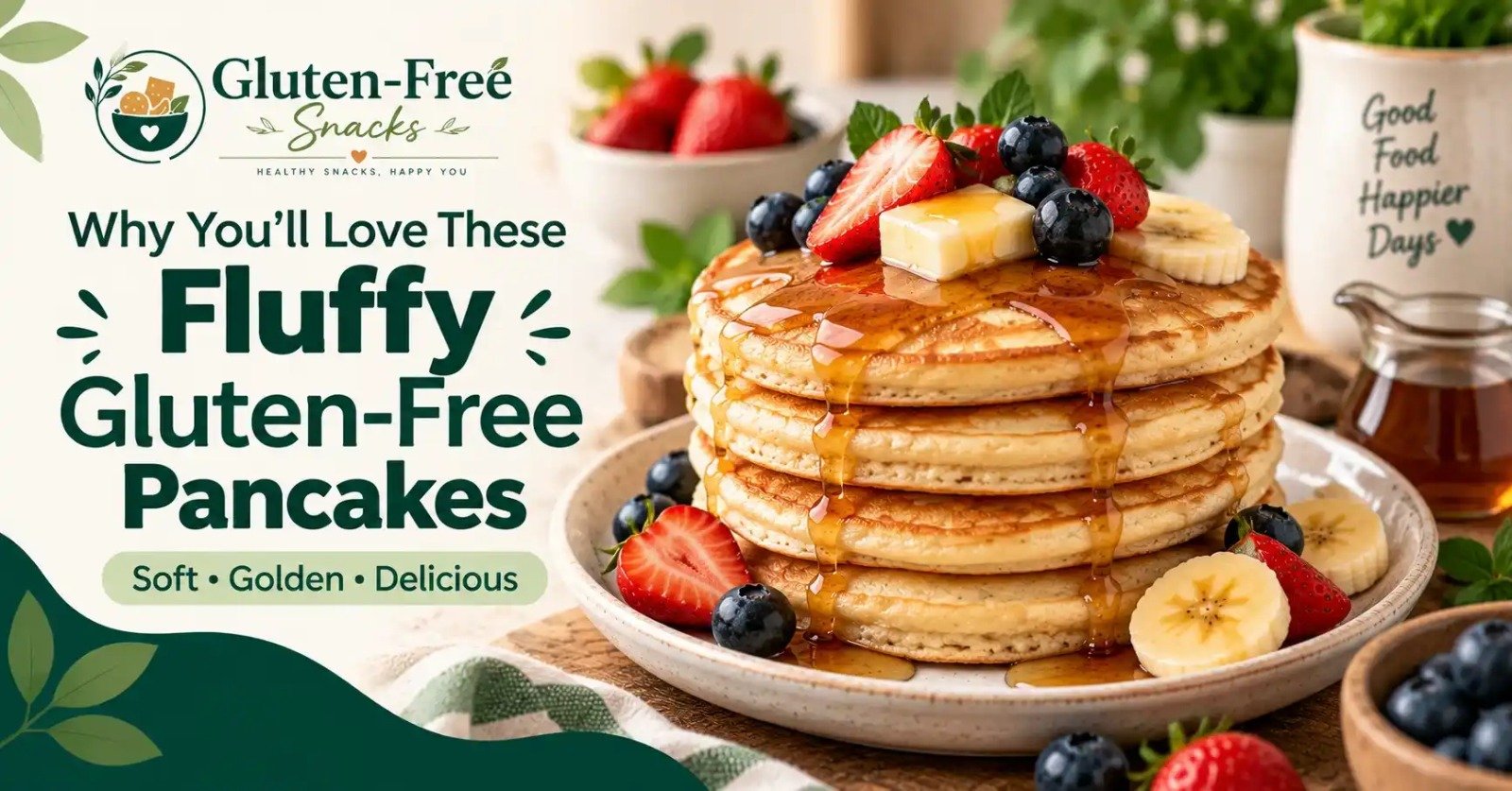
These easy gluten-free pancakes are all about that soft, fluffy texture without complicated techniques or hard-to-find ingredients. They are made from scratch with simple ingredients and cook up with golden edges and a tender center. This fluffy pancake recipe is easy to customize with berries, banana, chocolate chips, or classic maple syrup. They also make a convenient gluten-free breakfast for busy mornings. If you have leftovers, you can prepare them ahead and freeze them for another day, making these soft gluten-free pancakes a practical choice as well as a delicious one.
Fluffy Gluten-Free Pancake Recipe
If you want a dependable gluten-free pancake recipe, this simple 1-to-1 flour version is a good starting point. The ingredient structure and method are supported by current published gluten-free pancake recipes, including a 1-to-1 gluten-free flour, baking powder, milk, egg, butter, sugar, salt, and vanilla combination.
Recipe Card
| Recipe Detail | Information |
| Prep Time | 5 minutes |
| Resting Time | 5 minutes |
| Cook Time | About 10 minutes |
| Total Time | About 20 minutes |
| Yield | 10 pancakes |
| Serving Size | About 2–3 pancakes |
| Recipe Type | Breakfast |
| Dietary | Gluten-free when all ingredients are gluten-free |
Ingredients
- 1¼ cups gluten-free 1-to-1 baking flour
- 3 teaspoons baking powder
- 2 tablespoons sugar
- ¼ teaspoon salt
- 1¼ cups milk, dairy or dairy-free
- 1 large egg
- 3 tablespoons melted butter, slightly cooled
- 2 teaspoons vanilla extract
This quantity set follows a currently published gluten-free pancake formula from Laura Fuentes, which produces about 10 pancakes and uses the same core ingredient structure.
A Quick Note Before You Start
Use a 1-to-1 gluten-free baking flour designed to replace regular flour in baking. These blends can differ in their starches and binders, so the batter may need a small adjustment depending on the brand. Some recipes recommend letting the batter rest for about 5 minutes before cooking so the gluten-free flour can absorb the liquid and thicken.
Ingredients You’ll Need
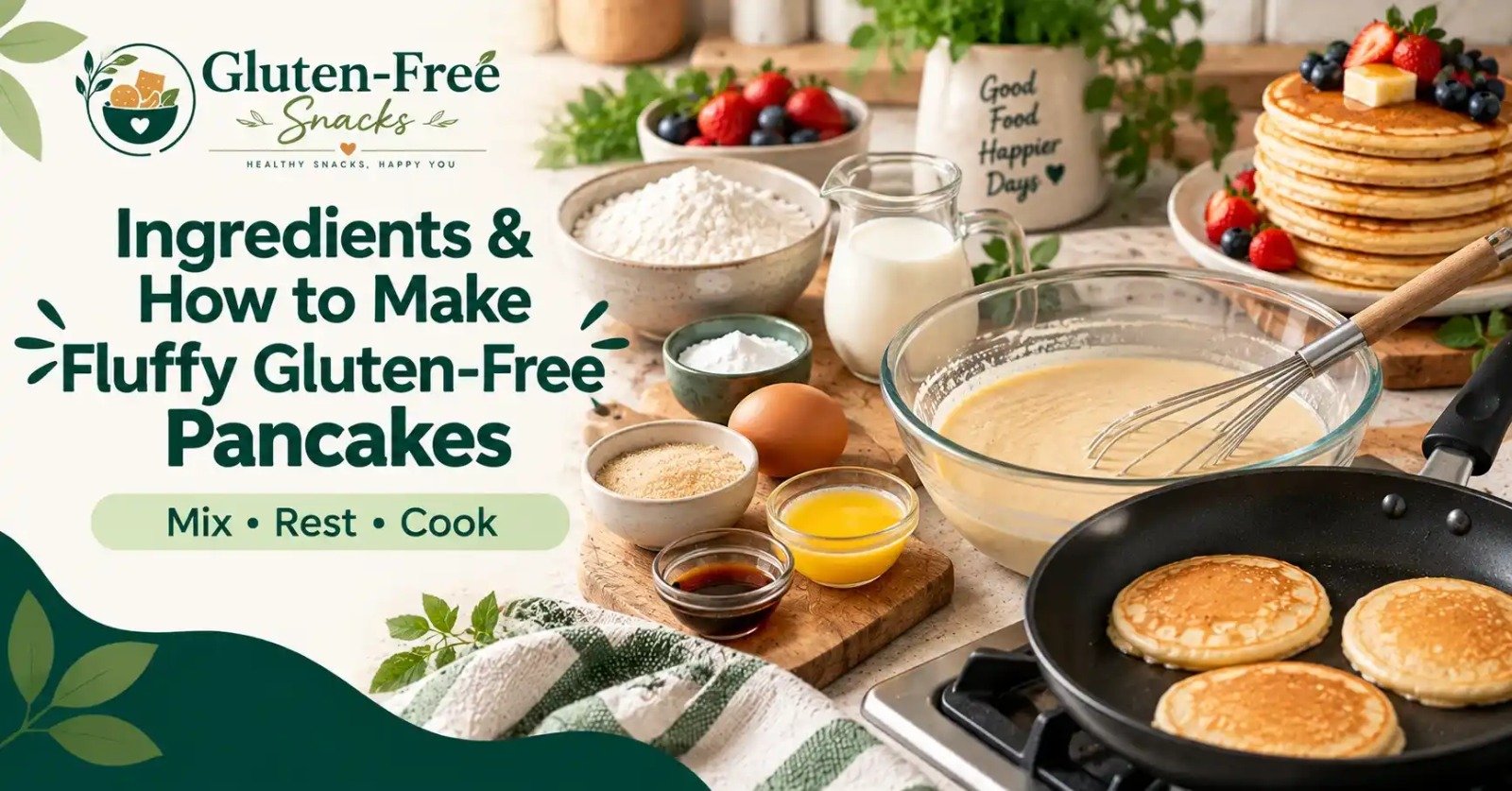
Each ingredient in these fluffy gluten-free pancakes has a simple job. The right balance is what gives the pancakes their soft, tender texture without making them dense.
Gluten-Free Flour
A gluten-free flour blend is the main structure of the batter. A 1-to-1 gluten-free flour or gluten-free all-purpose flour is convenient because it is designed to work as a replacement for regular flour. Keep in mind that blends can contain different amounts of rice flour, starches, and binders, so the batter may not behave exactly the same with every brand.
Baking Powder
Baking powder helps the pancakes rise as they cook, creating that light, fluffy texture. Make sure yours is fresh, as old or inactive baking powder can leave pancakes flat.
Egg
The egg helps bind the batter and gives the pancakes enough structure to hold their shape when flipped.
Milk
Regular milk adds moisture and richness. Almond milk or another suitable dairy-free milk can also work when you want dairy-free gluten-free pancakes.
Butter or Oil
Melted butter adds flavor and tenderness, while a neutral oil provides moisture without much added flavor.
Sugar, Vanilla and Salt
Sugar adds mild sweetness, vanilla gives the pancakes a warm flavor, and salt brings the other ingredients into balance.
How to Make Fluffy Gluten-Free Pancakes
Making these fluffy gluten-free pancakes is straightforward. The key is to mix the batter gently, give it a short rest, and cook the pancakes over steady medium heat.
Step 1: Mix the Dry Ingredients
Add the gluten-free flour, baking powder, sugar, and salt to a mixing bowl. Whisk them together so the baking powder is evenly distributed throughout the flour. This helps each pancake rise consistently.
Step 2: Add the Wet Ingredients
Pour in the milk, egg, melted butter, and vanilla. Stir gently until the flour is incorporated and you have a thick, smooth batter. Avoid overmixing, as too much stirring can make the pancakes less tender.
Step 3: Let the Batter Rest
Let the batter sit for about 5 minutes. This gives the gluten-free flour and starches time to absorb some of the liquid, which helps the batter thicken and can improve the final texture.
Step 4: Cook the Pancakes
Heat a lightly greased nonstick skillet or griddle over medium heat. Scoop consistent portions of batter into the pan. Cook until bubbles appear on the surface and the edges look set. Flip once and cook the other side until golden brown.
Step 5: Serve Warm
Serve the pancakes warm with maple syrup, fresh berries, banana, butter, or your favorite toppings.
How to Make Gluten-Free Pancakes Fluffy
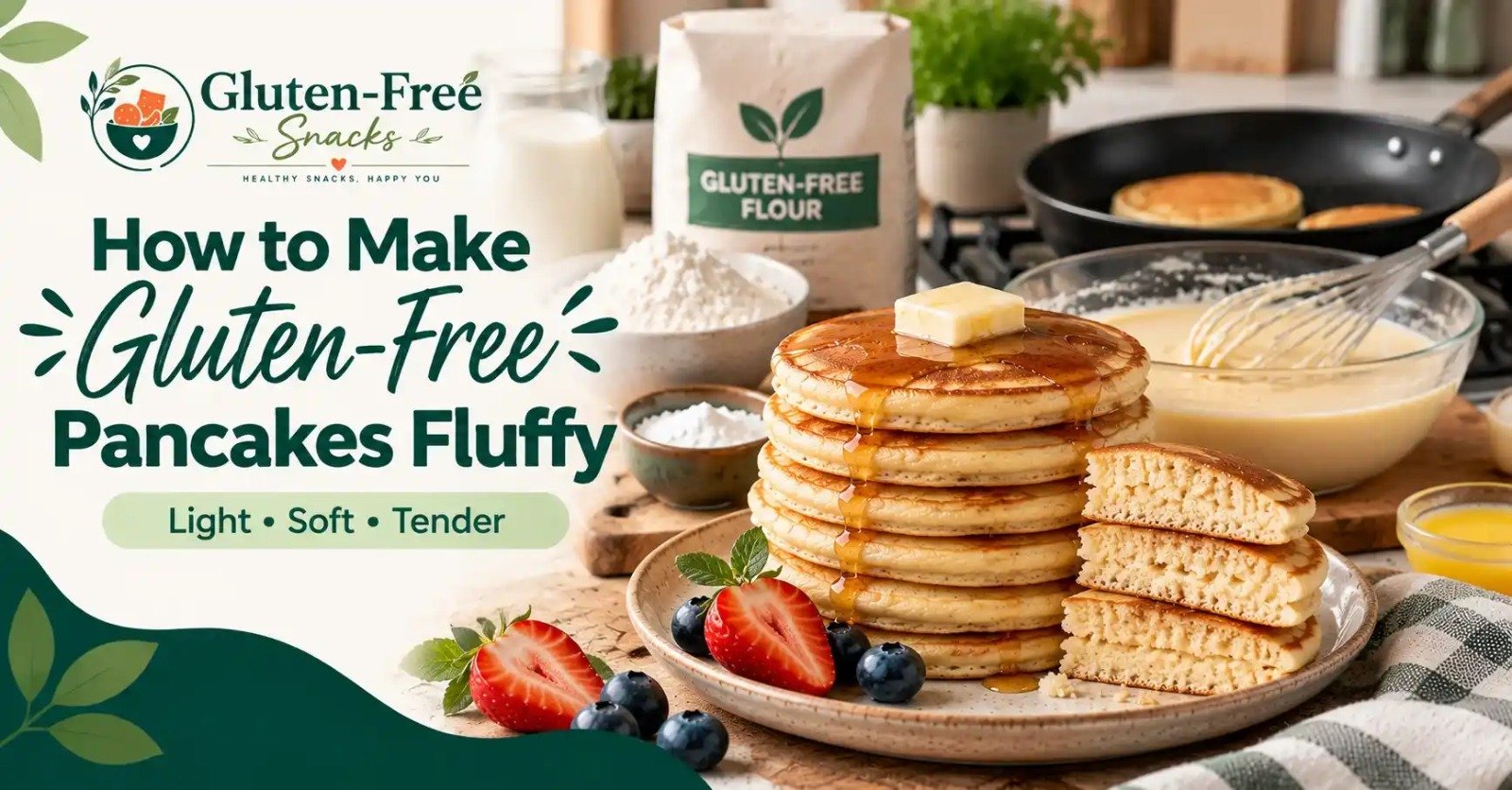
Getting light fluffy gluten-free pancakes is mostly about balance. A dependable 1-to-1 gluten-free flour can make the batter easier to work with, especially when you are making fluffy pancakes without gluten for the first time. Check your baking powder too, because fresh, active baking powder provides the lift that helps create a soft texture.
When mixing, stop as soon as the ingredients are incorporated. Overmixing can make the pancakes less tender. A short batter rest also helps the flour and starches absorb the liquid, giving you a thicker, more workable batter.
Keep the skillet at moderate heat. If it is too hot, the outside may brown before the center has time to cook. The finished batter should be thick enough to scoop but still spread gently once it hits the pan. For thick gluten-free pancakes, avoid making the batter overly thin or watery.
What Is the Best Flour for Gluten-Free Pancakes?
There is no single best gluten-free pancake flour for every recipe. Different flours absorb liquid differently and can produce very different textures. For this recipe, a gluten-free 1-to-1 flour or gluten-free all-purpose flour is the easiest choice because it is formulated for a more predictable result.
| Flour | Typical Result | Best Use |
| Gluten-free 1:1 blend | Balanced and consistent | Everyday pancakes |
| Oat flour | Soft with a mild oat flavor | Oat flour pancakes |
| Almond flour | Moist and tender | Almond flour pancakes |
| Rice flour | Light and slightly delicate | Blended flour recipes |
| Tapioca flour/starch | Chewy and stretchy when used heavily | Blend component |
| Sorghum or millet | More whole-grain character | Custom flour blends |
The important thing is to develop the gluten-free pancake recipe around the flour being used. A 1-to-1 blend is not automatically interchangeable with oat, almond, rice, or tapioca flour. Each has different absorption and structure, so changing the flour may require changes to the liquid and other ingredients.
Do Gluten-Free Pancakes Need Xanthan Gum?
Not always. It depends on the gluten-free flour blend and the recipe. Some gluten-free flour blends already contain xanthan gum or another binder to help provide structure, so adding more can be unnecessary. Other recipes may include a small amount of xanthan gum separately to help the pancakes hold together.
If your flour blend already lists xanthan gum in the ingredients, follow the recipe without automatically adding extra. You can also make gluten-free pancakes without xanthan gum when the chosen flour combination and recipe provide enough structure on their own. The best approach is to check the flour label and follow the recipe developed for that particular blend.
Why Are My Gluten-Free Pancakes Dense or Gummy?
Gluten-free pancakes can turn out dense or gummy when the batter, flour, or cooking time is slightly off. The good news is that most problems are easy to identify and fix.
Why Are My Pancakes Dense?
If your gluten-free pancakes are dense, check the flour-to-liquid ratio first. Too much flour or too little liquid can make the batter overly thick. Old baking powder may also prevent the pancakes from rising properly. Overmixing can reduce tenderness, while a batter that is too thick may produce heavy pancakes instead of a light, fluffy texture.
Why Are My Pancakes Gummy?
Gummy gluten-free pancakes are often undercooked or contain more moisture than the recipe can handle. Flour blends vary, so one blend may need a different liquid balance than another. Cooking pancakes that are too thick over low heat can also leave the center gummy. Make sure the skillet is properly heated and give the pancakes enough time to cook through.
Why Do My Pancakes Fall Apart?
For gluten-free pancakes that hold together, the batter needs enough structure from the flour blend, egg, or binder. Let the first side cook until the edges look set before flipping. Turning them too early or handling them roughly can cause them to break apart.
Dairy-Free and Egg-Free Gluten-Free Pancakes
You can adapt these pancakes for different dietary needs, but substitutions can change the texture. For dairy-free gluten-free pancakes, regular milk can often be replaced with almond milk or another suitable dairy-free milk when the recipe supports the swap. Choose an unsweetened option if you do not want to add extra sweetness.
For gluten-free pancakes without eggs, an appropriate egg replacer may work, but different products can affect moisture, structure, and fluffiness. It is best to use a substitution that has been tested with the recipe rather than assuming every egg replacer will work the same way.
To make vegan gluten-free pancakes, every ingredient must be plant-based, including the milk, butter substitute, and egg replacement. Always check packaged ingredients when dietary restrictions are important.
Easy Pancake Variations and Add-Ins
Once the basic batter is mixed, it is easy to change the flavor. Try folding in blueberries, chopped strawberries, banana, chocolate chips, cinnamon, or a little lemon zest. Nuts can also add crunch when they fit your dietary needs. A touch of extra vanilla works well too.
For the best texture, add delicate ingredients gently after the batter has been mixed. Avoid stirring heavily, especially when adding fruit. These simple additions let you turn the same fluffy gluten-free pancakes into a different breakfast without creating a completely new recipe.
Best Toppings for Gluten-Free Pancakes
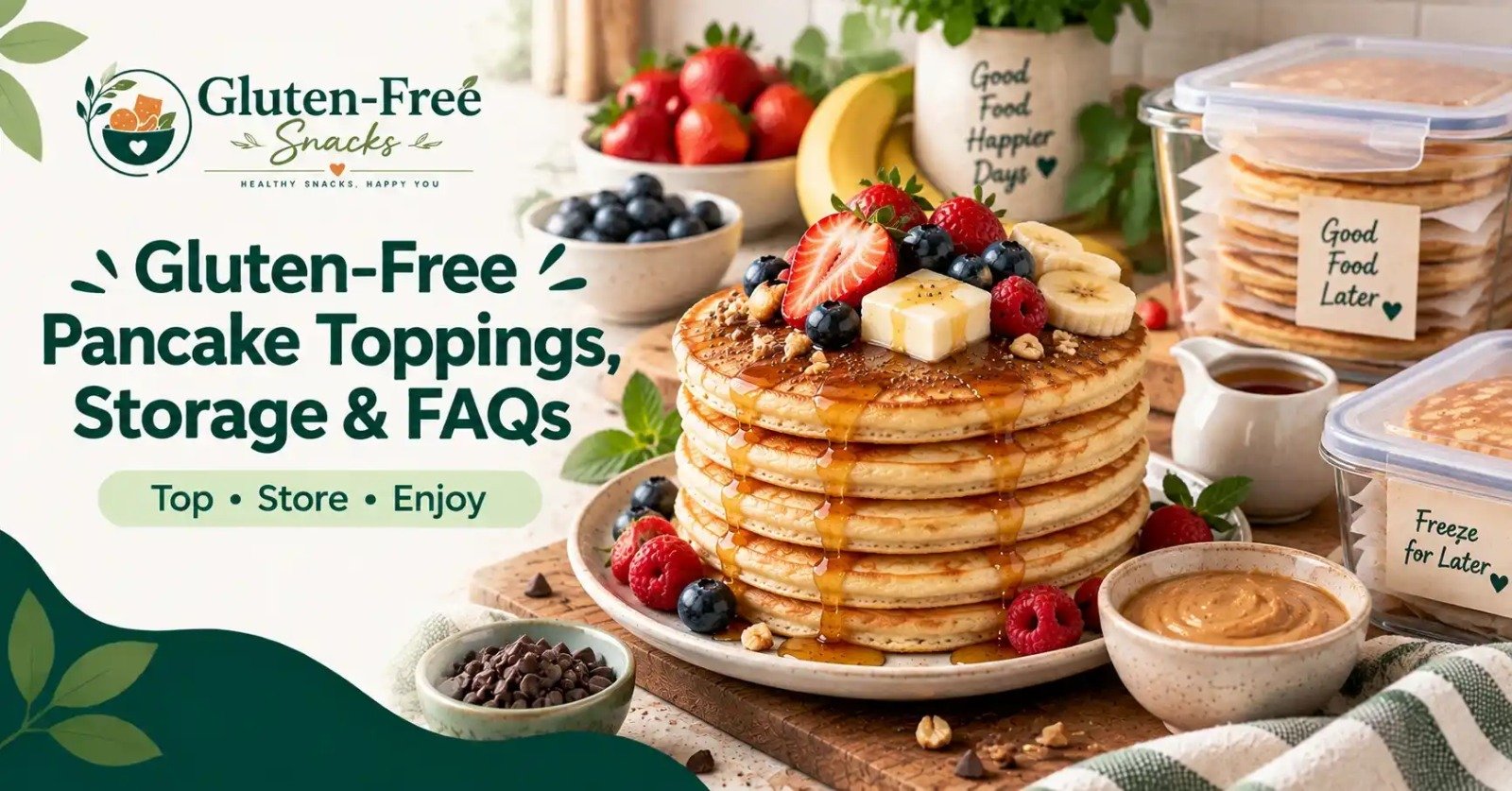
The right toppings can turn a simple stack into a satisfying gluten-free breakfast. For a classic finish, drizzle with pure maple syrup and add fresh berries or sliced banana. A little butter or whipped cream adds richness, while nut or seed butter brings a creamy texture. You can also spoon over homemade fruit sauce or sprinkle on chocolate chips. These gluten-free pancake toppings are easy to mix and match, so everyone can build a stack they enjoy. For a simple favorite, try warm pancakes with maple syrup, berries, and a small pat of butter.
How to Store and Freeze Gluten-Free Pancakes
If you have leftover pancakes, let them cool completely before storing them. Place them in an airtight container and refrigerate them according to your recipe’s storage guidance. For longer storage, these can be freezer-friendly gluten-free pancakes when the recipe supports freezing.
To freeze gluten-free pancakes, place parchment paper between the pancakes so they do not stick together. When you are ready to eat them, reheat the desired amount in the microwave, toaster, oven, or air fryer, depending on the texture you prefer.
For the best results, follow the tested recipe’s storage and reheating instructions rather than assuming every gluten-free pancake recipe will behave the same way.
Final Thoughts
Making fluffy gluten-free pancakes is all about using the right ingredients and giving the batter a little care. A reliable gluten-free flour blend, fresh baking powder, and the right batter consistency can make a big difference in the final texture. Letting the batter rest briefly also helps create soft, tender pancakes, while moderate heat allows the centers to cook without over-browning the edges. If needed, the recipe can be adapted with tested dairy-free or egg-free substitutions. Make a batch ahead, freeze the extras, and enjoy an easy gluten-free breakfast whenever you need it.
Frequently Asked Questions About Gluten-Free Pancakes
Use a reliable gluten-free flour blend, fresh baking powder, the right amount of liquid, and avoid overmixing. Resting the batter briefly can also improve the texture.
A 1-to-1 gluten-free flour is a convenient choice for this recipe because it is designed for consistent results.
Not always. Check your flour blend first. Some already contain xanthan gum.
Too much flour, too little liquid, old baking powder, overmixing, or very thick batter can make pancakes dense.
They may be undercooked or contain too much moisture. Flour blends can also behave differently.
Yes, but oat flour behaves differently from a 1-to-1 blend, so the recipe may need adjustment.
Yes, with a suitable tested egg replacer. The texture may be different.
Yes. Cool them completely, separate layers with parchment, and store them in a suitable freezer container.
About 5 minutes is a useful starting point for this recipe.
Yes. A suitable dairy-free milk, such as almond milk, can work when supported by the recipe.
Let the first side set properly before flipping, and make sure the batter has enough structure from the flour blend and egg.